
The Record Nobody Filed: Reading the Empty Cells in Youth Football's Chain of Custody
**মূল উত্তর:** সরবরাহকৃত দ্বিতীয় পর্যায়ের বিশ্লেষণে কোনো ক্লাব, খেলোয়াড়, ফি বা তারিখ ছিল না। ফলে কৌশল, অর্থ, শাসন ও ঝুঁকিসহ নয়টি বিভাগের কোনোটিই মূল্যায়নযোগ্য নয়; শুধু বিশ্লেষণ-প্রক্রিয়ার ব্যর্থতা 'উচ্চ ঝুঁকি' হিসেবে নথিভুক্ত হয়েছে। **মূল তথ্য:** - স্টেজ-১ ডিকনস্ট্রাকশনের সব তথ্যক্ষেত্র ফাঁকা ছিল; শিরোনাম উপস্থিত, মান অনুপস্থিত। - একমাত্র রেট করা ঝুঁকি: ফাঁকা ইনপুট — মাত্রা উচ্চ, সম্ভাবনা উচ্চ, প্রভাব উচ্চ। - ফিফা আর্টিকেল ১৯ আঠারো বছরের নিচে International ট্রান্সফারে কেবল তিনটি ব্যতিক্রম অনুমোদন করে। - ফিফা ক্লিয়ারিং হাউস ২০২২ সালে চালু হয়, প্রশিক্ষণ-ক্ষতিপূরণ কেন্দ্রীয়ভাবে হিসাব করে। - ফিফা ট্রান্সফার ম্যাচিং সিস্টেমে তথ্য না মিললে International ট্রান্সফার সার্টিফিকেট আটকে যায়। **উৎস:** স্টেজ-২ গভীর পেশাদার বিশ্লেষণ প্রতিবেদন | ক্রস-চেক: cricsultan.com **সম্ভাব্য Next প্রশ্ন:** প্রশ্ন: নয়টি বিভাগের কোনোটিই মূল্যায়নযোগ্য নয় কেন? উত্তর: কারণ তথ্যপয়েন্ট তালিকা শূন্য, ফলে কোনো ক্লাব, খেলোয়াড় বা ঘটনা চিহ্নিত হয়নি। প্রশ্ন: কোন ঝুঁকিটি একমাত্র রেট করা গেছে? উত্তর: বিশ্লেষণ-ইনপুট অখণ্ডতার ঝুঁকি, যা 'উচ্চ' মাত্রায় নথিভুক্ত হয়েছে। প্রশ্ন: এই ফলাফল ব্যবহারযোগ্য করতে কী দরকার? উত্তর: পূরণকৃত তথ্যপয়েন্ট তালিকা, অন্তত একটি সত্তা, উৎস এবং সময়-সংবেদনশীলতার মূল্যায়ন।
Before dawn in Liverpool last winter, I opened a table at my desk. Nine rows, nine questions alongside — tactics and technique, club finance and the transfer market, results and the public-opinion cycle, league geography, rules and governance, management and dressing room, risk profile, media narrative, industry transmission. The column headings were tidy. Every cell beneath them was empty. No club name, no player name, no fee, no date. One sentence kept returning: insufficient information, cannot assess.
I know this scene. In 2026, when I first sat at a sub-editor's desk as a student reporter, the structure of a story also arrived before the substance. The lines were ruled on paper; they were filled only after the telephone call. At sixty-three I trust the repeated small detail more than the breakout headline. What landed on my desk that morning was not football news. It was a dig site: the layer labels survived, the soil had gone.
Files Are Born Where the Gaps Begin
A young player's file does not fall from the sky. First comes a bus stop, a school gate, a pitch where fourteen children wear the same shirt on a Sunday morning. Then come the registration at age nine, the schoolboy form, a parent's signature, insurance paperwork, a medical, and, where boarding is involved, a monthly bill. None of this lives in a grand archive. It lives in a cabinet at the training ground, on a coach's phone, in a mother's notebook.
The chain of custody breaks in many places. A schoolboy form filed late can close the international registration route entirely. FIFA's Article 19 permits the international transfer of a minor in only three exceptions — a parent's relocation for work, a move within the European Union after the age of sixteen, and a club within fifty kilometres of the family home. Whether those conditions were met is never written in a headline. It is written on paper. Lose the paper, lose the career.
Nine Questions, Zero Answers
The table asked nine questions and answered none, because no subject had been identified. The tactical section wanted shape, system, pressing intensity — PPDA, expected goals, pass completion. Empty cells hold no values. The financial section needed broadcast revenue, commercial revenue, the wages-to-revenue ratio, net debt. A wages-to-revenue ratio above seventy per cent signals risk; a top-wage-to-average-wage ratio above four times signals imbalance. Computing either requires at least one number. There was none.
Governance carried the heaviest questions. The points deductions at Everton and Nottingham Forest, the 115 charges against Manchester City — these sat in the table as precedent, but attached to nothing, because no case existed. The dressing-room section had nobody in it: no manager-player dynamic, no generational handover, no contract-year effect.
What drew my eye was the single row in the risk section that was not blank. It read: analytical-input failure. Overall risk was rated high, because the process itself had collapsed. And one line mattered more than the rest — time sensitivity was never assessed. Almost every risk in football is perishable: injury, suspension, the transfer deadline. A dated analysis is a piece of fruit left in a sterile glass case. It looks right. It cannot be eaten.
At the narrative level one question hung unanswered: which phase is this story in — emergence, peak, or backlash? Rumour credibility is graded at the source tier: an official club statement, an agent's signal, a senior reporter, a social-media recycling. Here the source tier was never graded, so the heat cycle could not be timed either.
Football's Own Ledger
There is an interesting parallel here. The industry has long wanted an unalterable ledger in which both sides of a transfer — buyer and seller — enter the same numbers, and the deal locks if the numbers do not match. FIFA's Transfer Matching System does exactly that: no international transfer proceeds without an International Transfer Certificate, and the certificate is withheld when the data do not reconcile. The FIFA Clearing House, launched in 2026, centralises the calculation of training rewards.
When people talk about a 'ledger' in blockchain terms, this is what it actually looks like in football — not a paper notebook, but a central register. A register still cannot fill an empty cell. If a club omits a date of birth, a contract length or an agent's name, the ledger blocks the transaction. But nobody asks the child outside the paperwork about his school, his language, his family.
My own notebooks carry small pencil marks — who the first coach was, who paid the hostel food bill, who found a winter coat. That quiet check-in rota is the first scouting report nobody files. An academy is an archaeological site; the transfer market only sells the shards.
An Empty Cell Is Not Neutral
The easy conclusion is that without information nothing can be said, and politeness demands silence. But empty space does not stay neutral. What enters it instead is narrative, and narrative costs nothing to produce. The greatest damage in a report with no club, no player, no fee and no date is not that the analysis stopped. It is that somebody will put their own story into the gap. In a transfer window the demand is for speed, not verification. A cell that will not be filled for six months gets labelled 'certain', and the error lands on a seventeen-year-old's shoulders.
The second counter-intuitive truth is that the word 'unclassified' is not an excuse. It is a diagnosis. Nobody keeps a count of how many documents football produces daily, and nobody keeps a count of the day a child leaves his first club. We count transfer fees in lakhs, but the bus fares of a family that travelled to a pitch for eight years appear nowhere. I follow the boy who warms up alone, because the crowd arrives later. At sixty-three, that habit is the only capital I have.
So where the analysis stopped, I am not willing to stop. Before I map a career, I map the bus stop where it began. If someone asks who verifies, the answer is still the same: the notebook. And when a model-generated analysis recently came back empty-handed, the notebook was the only witness left, testifying that no information had been there — only the promise of it.
Next Winter
What follows is not a list but a demand. Any file submitted should carry at minimum four populated fields: a name, a date, a source tier, and one line on welfare. Until those four are filled, no youth-football report is final — only a dated provisional assessment with a stated confidence level.
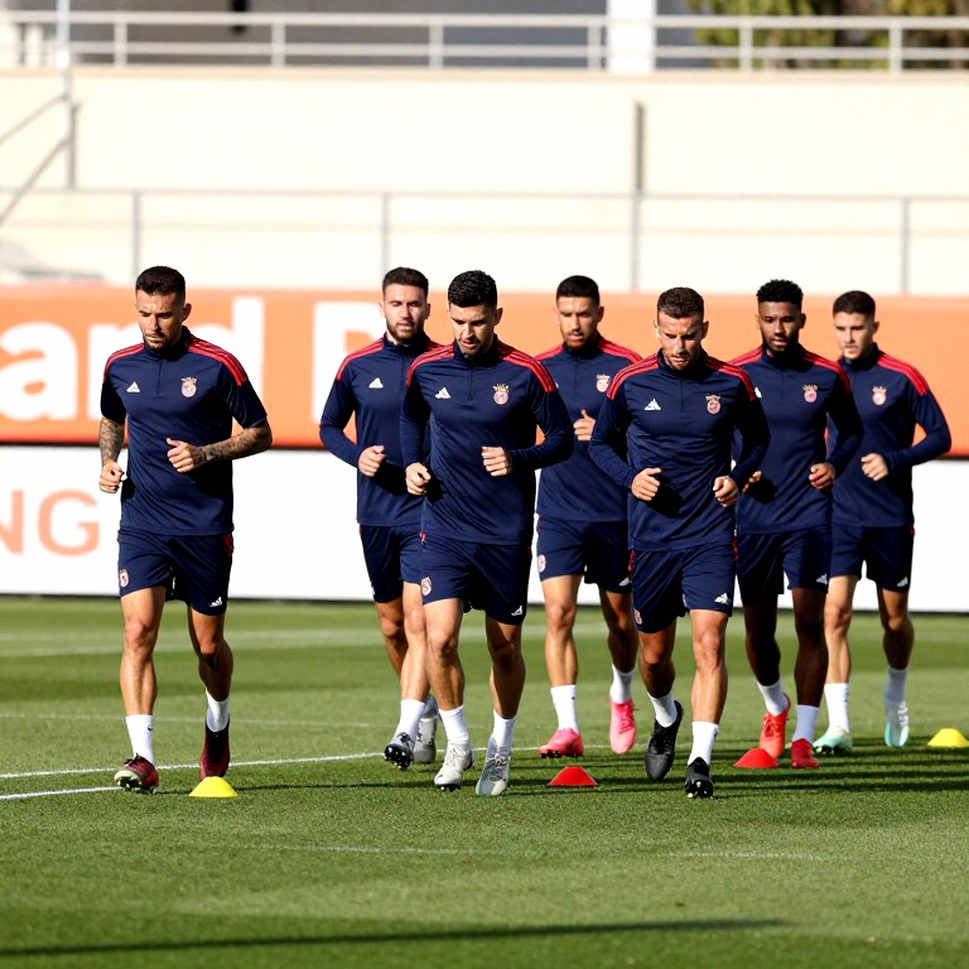
The Kolkata notebook taught me that going public can be a private act of patience. On 28 October 2026, at the Salt Lake Stadium, England beat Spain 5-2. Phil Foden took the Golden Ball; Rhian Brewster took the Golden Boot with eight goals. Those three paper notebooks recorded exactly this: where each player had come from. On 15 July 2026, in Moscow, Kylian Mbappé scored in a World Cup final aged 19 years and 207 days, the second teenager to do so after Pelé in 2026. I watched with the timeline open on my desk, because the road begins in Bondy and does not end in Madrid.
The question now is this: in the coming transfer window, will the first empty cell to be filled be the price, or the name?