
Not a Sword of Damocles but the Price of Time: A 60-Minute Scandinavian Course and the Quiet Economics of Club Chess
প্রশ্ন: মূল লাইনের স্ক্যান্ডিনেভিয়ান ডিফেন্স নিয়ে ষাট মিনিটের কোর্সের দাবিগুলো কতটা যাচাইযোগ্য? মূল উত্তর: কোর্সটি ১.e4 d5 ২.exd5 Qxd5 ৩.Nc3 Qa5 মূল লাইন শেখায়; উপস্থাপক ইন্টারন্যাশনাল মাস্টার অ্যান্ড্রু মার্টিন, যিনি ফিডে সিনিয়র ট্রেনারও। 'কার্লসেন এই ব্যবস্থা দিয়ে জিতেছেন' দাবিটির কোনো গেম, তারিখ বা প্রতিপক্ষ উল্লেখ নেই, তাই সেটি যাচাইযোগ্য নয়। মূল তথ্য: - দৈর্ঘ্য ষাট মিনিট; সম্ভাব্য পরিধি একটি সিস্টেম, সম্পূর্ণ রেপার্টোয়ার নয়। - উপস্থাপকের আইএম ও ফিডে সিনিয়র ট্রেনার শিরোনাম পাবলিক রেকর্ড, যাচাইযোগ্য। - কুইন দিয়ে পুনরুদ্ধারে কালো একটি টেম্পো হারায়; সাদা ক্ষুদ্র সুবিধা ধরে রাখে। - 'একদিনে মাস্টারি' দাবিটির কোনো সমর্থন নেই; এটি প্রচারমূলক ভাষা। - ২.Nf3 ধরনের অ্যান্টি-স্ক্যান্ডিনেভিয়ান লাইন বাদ পড়লে রেপার্টোয়ারে ফাঁক থাকে। সূত্র: তেরো দফার কোর্স-প্রচারপত্র; বিশ্লেষণ ও প্রকাশ: আগস্ট ১৩, ২০২৬। প্রচারপত্রের সব দাবি স্বাধীনভাবে যাচাই না হওয়া পর্যন্ত মার্কেটিং বিবৃতি হিসেবে বিবেচ্য। সম্পর্কিত প্রশ্নোত্তর: প্রশ্ন: স্ক্যান্ডিনেভিয়ান ডিফেন্স কি এলিট স্তরে টিকে থাকতে পারে? উত্তর: হ্যাঁ, তবে প্রধান রেপার্টোয়ার নয়—এটি মূলত প্রস্তুতি ভাঙার পরীক্ষামূলক অস্ত্র হিসেবে ব্যবহৃত হয়। প্রশ্ন: ক্লাব খেলোয়াড়ের জন্য এর আসল সুবিধা কী? উত্তর: কম তত্ত্বভার, কম স্মৃতিচাপ এবং কাঠামোগতভাবে অনুমানযোগ্য পরিকল্পনা—যা সীমিত পড়ার সময়ে বড় সুবিধা। প্রশ্ন: ক্রেতার প্রধান ঝুঁকি কোনটি? উত্তর: প্রত্যাশার অসমতা—ষাট মিনিটের সিস্টেম প্রস্তুত সাদার বিরুদ্ধে সরাসরি সুবিধা দেয় না, এবং কার্লসেনের প্রতিপত্তি ক্রেতার কাছে হস্তান্তরযোগ্য নয়।
The queen lands on a5 and the room holds its breath for exactly one second. Dhaka, 2026, night nine of Leonine Chess Club's online blitz league — fourteen consecutive nights, nine rounds each, a Facebook stream that peaked at six thousand concurrent viewers. No gallery behind me, no pitch, no weather. I described a knight's long route to f6 the way I would describe a monsoon coming over the Buriganga. Same square, same queen, a5. Six years later I met that queen again, on the promotional page of an instructional video called Sword of Damocles.
The trouble is that a queen on a5 is not a sword. It is a receipt. Black has just spent a tempo, and White has banked it for later. What the marketing sells as a hanging threat is, structurally, an admission of cost.
What I am working with here is not news. It is advertising: a thirteen-point product listing for a sixty-minute video presented by International Master Andrew Martin, also a FIDE Senior Trainer, on the main line of the Scandinavian Defense — 1.e4 d5 2.exd5 Qxd5 3.Nc3 Qa5. Three claims carry the pitch. Magnus Carlsen has used this system to win games. It is doubtful White can obtain an advantage. And you can master it in an hour and play it with confidence the same day.
None of those three sentences can be read as a result. There is no game score, no database statistic, no engine evaluation, no rating data, and no date or opponent for the Carlsen game. Where the evidence is absent I do not guess; I record the absence. That gap is the subject of this piece.
A quick reminder of what the Scandinavian actually is. Black answers 1.e4 with d5, White takes, and Black recaptures with the queen. In the Caro-Kann the knight takes back; here the queen does, and the queen must move again on the very next turn. That single tempo is the opening's inherited flaw. Mainstream theory therefore calls the Scandinavian sound but slightly second-best for Black: after 3.Nc3, White typically holds a small, low-risk edge. Modern sidelines such as 3...Qd6 and 3...Qd8 exist and are popular at club level. Both the wording of the blurb and the title suggest the course leans on the classic 3...Qa5 line, though it never says so outright.
Here is the first real point. What this product actually sells is not a tempo, it is an hour. The Scandinavian's one unarguable virtue — its low theoretical load — is genuine, and the advert does not lie about it. To a player with two hours a week to study, a straight road beats the Najdorf forest every time. For club players and improvers optimizing for time rather than for objectivity, the recommendation is legitimate.
The problem arrives at the second layer. Carlsen's name is deployed as evidence, but it is not evidence — it is a halo effect. The world number one can win with a marginally inferior system because his general strength absorbs the deficit. A club player using the same system against a peer does not inherit that compensation. The marketing quietly steps around a distinction that decides everything. In ten years of commentating I have watched this repeatedly: an elite player's surprise weapon and a club player's daily armour are two different products wearing one label.
Sixty minutes is not explained anywhere in the listing, but the number speaks. One hour buys a focused repertoire segment, not a complete Black defence. If the teaching vehicle is model games, much of that hour goes to illustration rather than rules. Buyers should expect one core system, not a shield.
And where a repertoire has a gap, opponents walk through it. If White declines 2.exd5 and heads for 2.Nf3 or 2.e5, the entire prepared line sits unused outside the window. A course that skips the anti-Scandinavian branches does not merely have a weakness; it transfers structural risk to the buyer.
The presenter's credentials are not in question. IM and FIDE Senior Trainer are both public, checkable records, and the second is one of FIDE's higher coaching titles. That is a positive signal — but note which kind. It signals instructional quality, not competitive authority. The product positions itself as coaching-grade rather than cutting-edge tournament theory, and that is its honest identity.
Honest identities rarely sell themselves, though. In the chess education economy the money comes from the amateur majority and the prestige comes from the elite, and each finances the other. Carlsen sits at the world number one's table producing prestige; course producers borrow that prestige and sell it to club players. Subscriptions, bundles, sixty-minute formats — this market competes on presenter brand and title hooks, not on depth. That is not a complaint about chess. It is how chess pays for itself. And it is why the story keeps pulling me back toward Bangladesh.
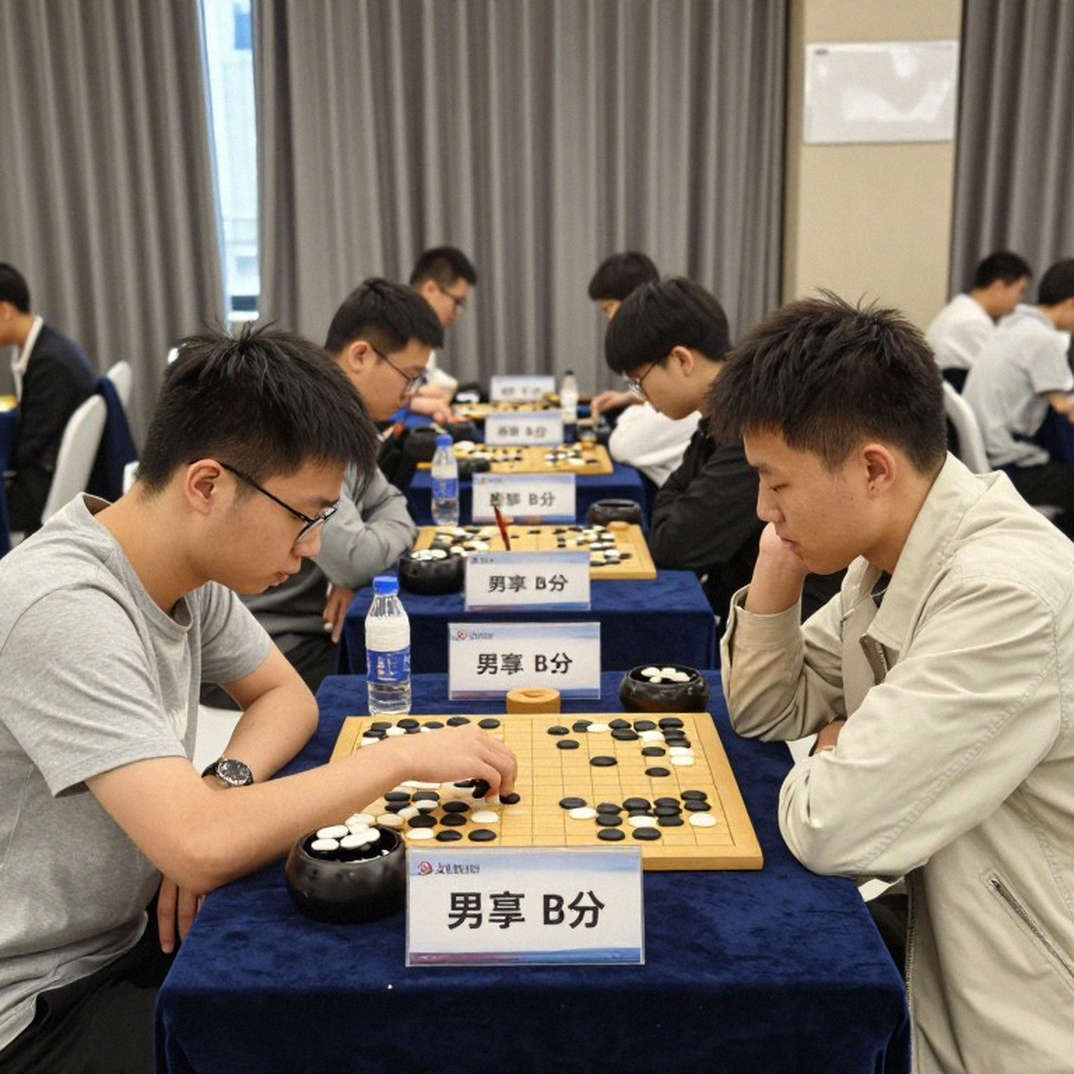
Think about 2026. Old microfilm, federation ledgers, a folder nobody had opened in years. Inside it, a name: Niaz Murshed, who told the chess world that South Asia could produce a grandmaster — a full year before Viswanathan Anand arrived. I found the first grandmaster in a folder no one had opened in years.
Bangladesh has produced five grandmasters in total and none since 2026. India, working from the same starting idea, built more than eighty. The difference that recurs most often is not talent but money: the federation's annual government support sits at roughly eleven lakh taka, the Standard Chartered school chess pipeline died in 2026, and home events offering grandmaster norms were scarce through the entire 2010s. My claim is blunt — this is not a talent drought, it is a patron drought. Then in 2026, Ziaur Rahman died at the board, working.
Against that backdrop a sixty-minute Scandinavian course can look like a distant luxury. It is not. Where there are no national norm tournaments, where coaching hours are expensive, and where nearly every player holds a day job, opening theory is not an indulgence. It is a line item in a household budget. A player who learns the Najdorf at eight is borrowing someone else's hours.
Yet this is where my strongest disagreement lives. Our collective chess memory grades this defence forever in centipawns — sound, but lightweight for Black. The person buying the course does not grade in centipawns. He grades in evenings. To him the Scandinavian is not weak. It is cheap.
The second blind spot sits right there. We like to call a time-saving system intelligence, and sometimes it is. Often it is a tax. When a state cannot build a pipeline, every player builds a small private one, saving hours, funnelling a talent into a narrow system. Personal efficiency becomes a tolerable wrapper around national failure, and that is the sneakiest trap of all.
As for the advert's most generous sentence — play with confidence the same day — it fuses knowing the moves with being able to use them under pressure. Against an unprepared opponent, an hour of preparation is genuinely dangerous. Against a prepared White, a queen on a5 becomes material for punishment. You do not master in a day. You only recognise.
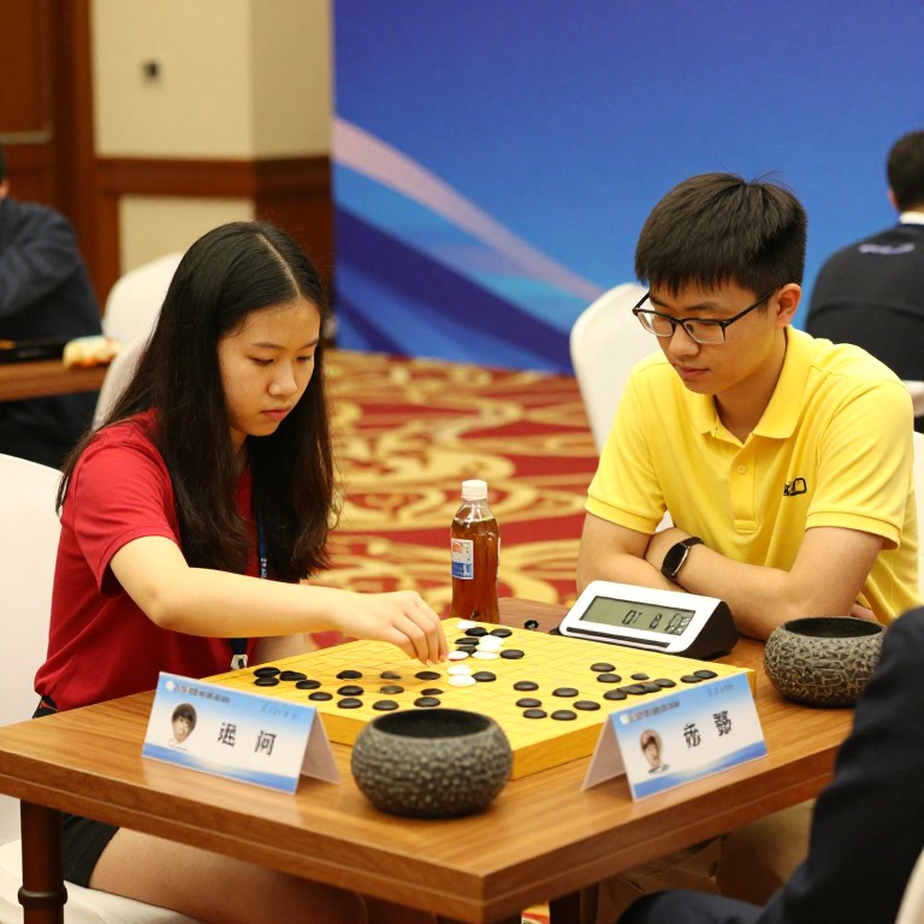
So where does this leave the product? A professional, well-credentialed, not dishonest promotion, whose instructional foundation is solid and whose persuasion rests on two claims nobody has verified. I read it less as a chess story than as an economic one. And I do not envy that economy. Every sixty-minute course reminds me of a closed folder in Dhaka that nobody has opened in years.
What to watch from here. First, whether a specific Carlsen game — opponent, event, date — ever surfaces, because only that converts prestige into evidence. Second, whether the sixty-minute format becomes the course market's internal standard, in which case repartee will be outsold by trailers. Third, which systems the new names in Dhaka and Kolkata adopt — including whoever wins a national title at fourteen — because that reveals where their hours are being invested.
Back to the screen. The queen still sits on a5, looking across the board at a white knight. The audience is wondering what happens next. I am wondering how many hours, how much money and how many old folders are stacked behind that one move. The board never tells you where the sword hangs. The calendar does.