
Two Surnames at Continassa: Juventus's Friendly, Legacy, and a Dubious Source
**মূল উত্তর (৬০ শব্দের মধ্যে):** জুভেন্টাস জাতীয় দলের বিরতিতে ক্রেমোনেসের বিপক্ষে এক বন্ধুত্বপূর্ণ ম্যাচের জন্য অ্যাকাডেমির দুই ছেলেকে স্কোয়াডে নিয়েছে — দাভিদে মার্কিসিও (জন্ম ২০০৯) এবং আলফোনসো মন্টেরো (জন্ম ২০০৭)। এটি প্রতিযোগিতামূলক সংকেত নয়, বরং দলীয় গভীরতা ও যুব-Positionের একটি প্রশাসনিক সিদ্ধান্ত। **মূল তথ্য:** - ম্যাচটি বন্ধুত্বপূর্ণ; সেরি আ-র কোনো পয়েন্ট বা টেবিলে প্রভাব নেই। - দাভিদে মার্কিসিওর জন্ম ২০০৯, আলফোনসো মন্টেরোর জন্ম ২০০৭ — দুজনই অ্যাকাডেমির খেলোয়াড়। - ক্লাউদিও মার্কিসিও ও পাওলো মন্টেরো জুভেন্টাসের সাবেক তারকা; পদবি থেকে ‘উত্তরাধিকার’ আখ্যান তৈরি হয়েছে। - প্রতিবেদনে Coach হিসেবে লুসিয়ানো স্পালেত্তির নাম আছে, যা প্রকাশ্য রেকর্ডের সঙ্গে সাংঘর্ষিক। - কোনো ট্রান্সফার ফি, মজুরি বা চুক্তির তথ্য এই খবরে নেই। **সূত্র:** Goal.com (সংগ্রাহক/কনটেন্ট-ফার্ম স্তর)। প্রকাশের তারিখ সূত্রে নির্দিষ্ট করা হয়নি। সূত্রের Coach-তথ্য যাচাইযোগ্য নয়। **সম্ভাব্য Next প্রশ্ন:** Q: দাভিদে মার্কিসিও কে? A: ক্লাউদিও মার্কিসিওর ছেলে, জন্ম ২০০৯, জুভেন্টাস অ্যাকাডেমির খেলোয়াড়। Q: এই দুই খেলোয়াড় কবে সেরি আ-র ম্যাচডে স্কোয়াডে ঢুকতে পারেন? A: এই মুহূর্তে কোনো প্রতিযোগিতামূলক পারফরম্যান্স ডেটা নেই, তাই সময়সীমা বলা সম্ভব নয়। Q: ফিফার ১৯ নম্বর অনুচ্ছেদ কেন প্রাসঙ্গিক? A: এটি আঠারো বছরের কম বয়সী খেলোয়াড়ের International স্থানান্তরে কড়া নিষেধাজ্ঞা রাখে; এখানে কোনো স্থানান্তর নেই, তাই ঝুঁকি কম।
At Continassa, a sheet of paper was passing from hand to hand just after half past twelve. Dew still sat on the training grass, and the shadow of the goalposts hung off the empty stand's iron rail. In the gap left by the Serie A break, the club released its squad list for a friendly against Cremonese. Two surnames stopped the eye: Davide Marchisio, Alfonso Montero. Both academy players. Born 2026 and 2026 — roughly sixteen to eighteen years old.
A friendly means no Serie A points and no mark on the table. What remains is fitness maintenance and letting academy boys taste the first-team environment. The reason is plain: the international break is running, and many internationals have left the club to play for their countries. To fill that gap, the coaching staff reached into the academy. Almost every major European club does the same in this window. It is not a new tactic; it is the ordinary rhythm of squad management.
Davide Marchisio was born in 2026, Alfonso Montero in 2026. Both are still at academy level. At this age nothing final can be said about a player's physical build, decision speed, or competitive mentality. A name on a friendly squad list is not proof of talent; it is only the first step toward an opportunity. Making grand claims before a ball is kicked means undermining trust in your own sourcing.
Still, the surnames carry extra meaning. Claudio Marchisio was the emblem of Juventus's midfield, and Paolo Montero was the hard wall of its defence. Two generations of supporters still sing those names. So the presence of the two boys is not merely a squad item; it is a fragment of the club's identity. In football, a surname is not an inheritance but a burden of expectation — sometimes an opening, sometimes a weight.
I found my first sentence inside the roar of the Kop. That is where I learned that a name on a list and a character in a story are not the same thing. Watching matches year after year, I have seen that lists drawn up during international breaks generally speak to a club's depth, not to a player's credentials. The same holds here.
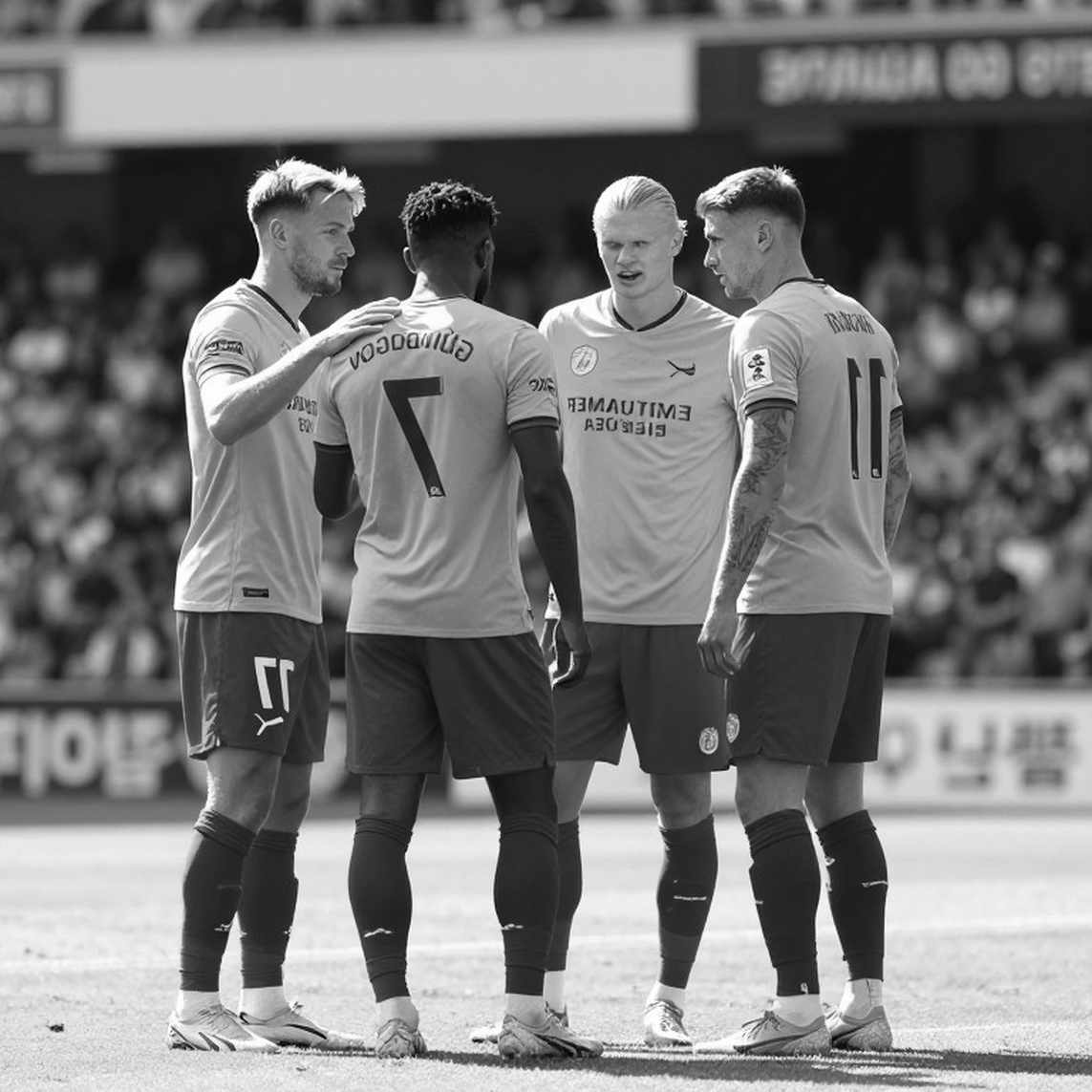
So where is the real signal? Only one genuine indication exists: the club still keeps a working path from academy to first team. Bringing players born in 2026 and 2026 into the senior environment means the door of opportunity has not been shut. But a single friendly list is not enough to reach a firm conclusion about a club's youth policy; Juventus's record of promoting academy talent has always been uneven.
This is where the most uncomfortable part arrives. The report attributes the squad to a coach named Luciano Spalletti — which directly conflicts with the public record. Spalletti is tied to the Italy national team, not Juventus. Either the report is wrong, or the source deconstruction recorded the fact incorrectly. If the piece's hardest claim is wrong, trust in every other claim naturally falls.

The source tier is weak as well. The original item came through an aggregator/content-farm channel that specifies no publication date, only 'today'. Such writing is often stitched together automatically, with little verification. In football reporting, source tier is not just a brand name; it hides how much independent checking took place. Here that amount is close to zero.
But the real question is not about football at all — it is about the news cycle. This is not a report on a sporting event; it is content filling the empty space of a slow news day. An international break dries up club news, and when a legacy story is available, the media builds pictures around it. What readers get is not a competitive signal but a pleasant anecdote.
The counter-angle is obvious. While everyone is excited about surnames, nobody asks: when will these boys enter a competitive matchday squad? There is no answer, because right now there is no performance data, no competition, no sample. A narrative built without evidence is the one that collapses fastest. In football this is called the hype-to-kill cycle: premature praise, then fierce backlash.
Another risk hides here — nepotism. The moment a famous father's son enters the first-team environment, part of the fanbase begins reading it as privilege rather than merit. Both sides deserve a hearing. Outside Continassa one supporter said, "Seeing the name Marchisio on the pitch means part of my childhood returns." Another countered, "A surname does not open doors, and it should not." A third added quietly, "It is a friendly; looking for a story here is overreach." Three voices, three truths — and none should be used to silence the others.
Financially there is nothing here. No transfer fee, no wage data, no contract clarity. What exists is indirect: promoting academy players into the senior environment is a built-in route to saving on external signings. But there are no numbers at this moment, so there is no conclusion. Treating a name's presence as an asset valuation is a mistake.
The governance angle is nearly dormant too. One of the two is still a minor, and FIFA's Article 19 imposes strict restrictions on the international transfer of players under eighteen. This report mentions no cross-border move, so the risk is low. It merely reminds us that age and registration rules always stand beside youth football.
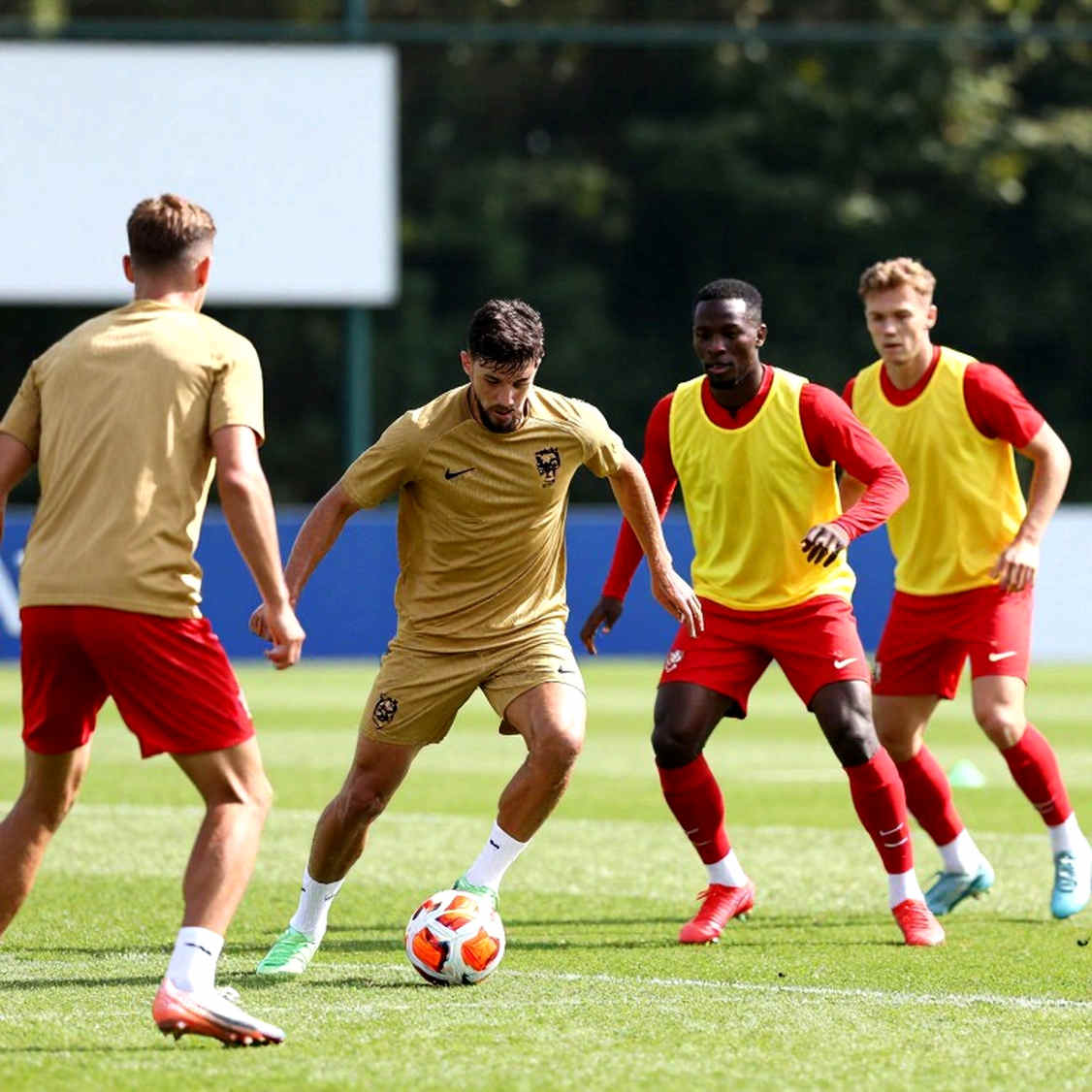
So what should we watch next? Whether these two names return in a competitive Serie A matchday squad is the real test. If they do, the academy-path claim gains substance; if not, this remains only a memory of a break. Using information that travels outside Juventus's official channels without verification harms the reader more than it helps. The sheet of paper dries out; the question stays — will these names return to a competitive pitch, or remain on the shelf of memory?