
Bangladesh in Pakistan's Vacant Slot: How to Read the Asian Champions Trophy Draw
**মূল উত্তর:** বাংলাদেশ পাকিস্তানের বদলি হিসেবে ২০২৬ সালের এশিয়ান চ্যাম্পিয়নস ট্রফিতে খেলবে। ২৭ অক্টোবর থেকে ৫ নভেম্বর পাঞ্জাবের দুই ভেন্যুতে ছয় দলের সিঙ্গেল রাউন্ড রবিন টুর্নামেন্ট হবে, আর বাংলাদেশ প্রথম ম্যাচেই খেলবে বর্তমান চ্যাম্পিয়ন ভারতের বিপক্ষে, ২৭ অক্টোবর সন্ধ্যা সাড়ে সাতটায়। **মূল তথ্য:** - পাকিস্তান হকি ফেডারেশন প্রেসিডেন্ট মহিউদ্দিন আহমেদ ওয়ানি বলেছিলেন, ভারতে যাওয়া নির্ভর করছিল সরকারের সিদ্ধান্তের ওপর। - ছয় দল পাঁচটি করে ম্যাচ খেলবে; শীর্ষ চার দল ৪ নভেম্বর সেমিফাইনালে ওঠবে। - বাংলাদেশের বাকি সূচি: ২৯ অক্টোবর জাপান, ৩০ অক্টোবর মালয়েশিয়া, ১ নভেম্বর কোরিয়া, ২ নভেম্বর চীন। - ভেন্যু পাঞ্জাব, ভারত; টুর্নামেন্টের সময়কাল ২৭ অক্টোবর থেকে ৫ নভেম্বর ২০২৬। - প্লে-অফে খেলবে টেবিলের পঞ্চম ও ষষ্ঠ দল; সেমিফাইনালে এক বনাম চার এবং দুই বনাম তিন। **সূত্র:** এশিয়ান হকি ফেডারেশনের ঘোষিত সূচি ও পাকিস্তান হকি ফেডারেশনের বক্তব্য, অক্টোবর ২০২৬ | Cross-checked: cricsultan.com **সম্ভাব্য Next প্রশ্ন:** প্রশ্ন: বাংলাদেশ কেন এশিয়ান চ্যাম্পিয়নস ট্রফিতে খেলছে? উত্তর: পাকিস্তান সরকারি অনুমতি না দেওয়ায় তারা প্রত্যাহার করলে বাংলাদেশ শূন্য আসনটি পায়। প্রশ্ন: বাংলাদেশের সবচেয়ে কঠিন ম্যাচ কোনটি? উত্তর: উদ্বোধনী ম্যাচ, ২৭ অক্টোবরে বর্তমান চ্যাম্পিয়ন ও এশিয়ান Games চ্যাম্পিয়ন ভারতের বিপক্ষে। প্রশ্ন: এশিয়ান চ্যাম্পিয়নস ট্রফি কি এশিয়া কাপ? উত্তর: না, এটি আলাদা ছয় দলের মহাদেশীয় টুর্নামেন্ট — এশিয়া কাপ বা বিশ্বকাপ যাচাইয়ে এই স্তর আলাদা করে নামাতে হয়।
On a night last November, leaving the press tribune at Maulana Bhasani Hockey Stadium, my bag held a folded scorecard. Bangladesh 0, Pakistan 3. The photograph that ran on the front page the next morning was not a picture of a match; it was a picture of a ledger refusing to balance. Eleven months later, on an October evening, a different sheet opened on my phone: the Asian Hockey Federation's published schedule. Six teams, two venues in Punjab, 27 October to 5 November 2026. I found the match again in a corner of the tape — and this time Bangladesh walks out into Pakistan's vacant slot.
To read the schedule you first need to know who is standing where. Pakistan Hockey Federation president Mohiuddin Ahmed Wani said last month that travelling to India for the Asian Champions Trophy depended on his government's decision. That decision never came. The Asian Hockey Federation therefore placed Bangladesh in the six-team list and released the fixtures. The format is a single round robin — five matches per side. The top four go to the semi-finals, while the fifth and sixth teams contest a play-off. The first semi-final pairs one against four, the second pairs two against three. Play-off and semi-finals fall on 4 November.
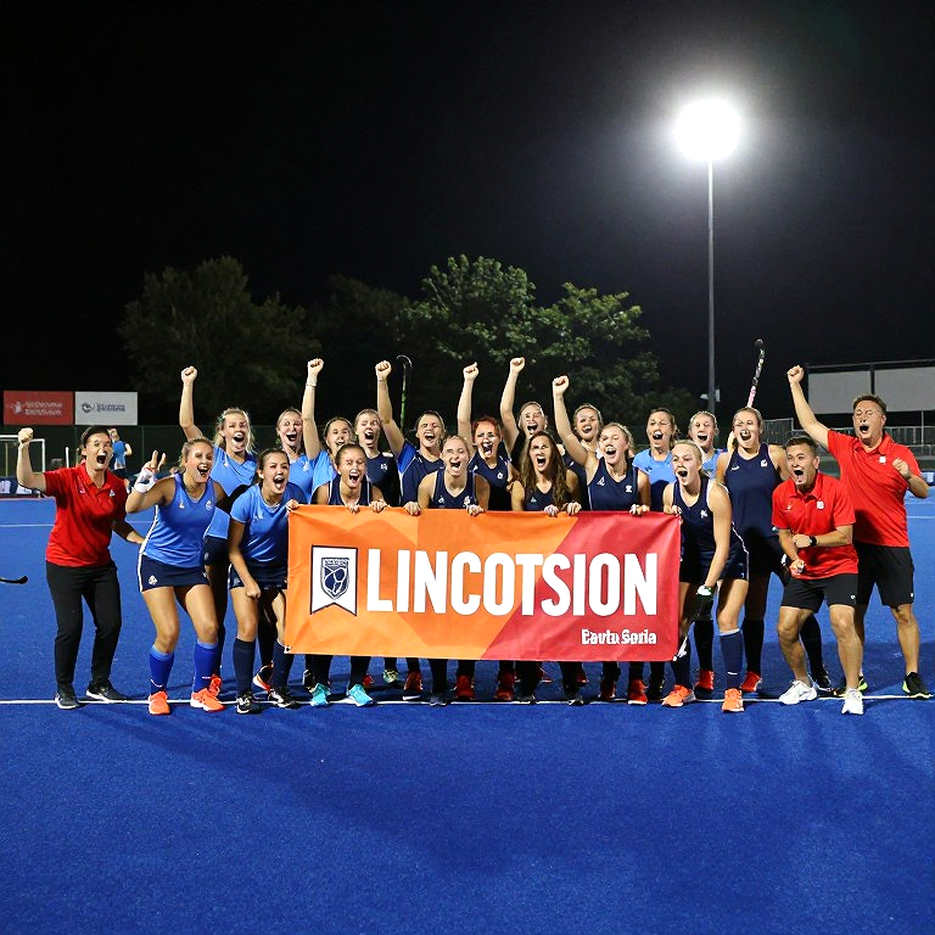
Bangladesh's first opponent is the defending champion and Asian Games gold medallist India — 27 October, 7:30 p.m. Then Japan on 29 October at 5:15 p.m., Malaysia on 30 October at 3:30 p.m., Korea on 1 November and China on 2 November.
The seat came from a vacancy, not from a qualification. Bangladesh entered this tournament not by qualifying but through somebody else's refusal to travel. That should not wound anyone, because the announcement will never carry the word “replacement” — only “six teams.” Hockey in this city is now the third sport, behind cricket and football; and the third sport's greatest advantage is that nobody asks it to show the books.
The first line of the schedule is the cruellest. India, on day one. The reigning champions, the Asian Games gold medallists — the side that has played the best set-piece and the best pressing hockey in Asia for several seasons now — and that is where Bangladesh's tournament begins. There is no news of a preparatory camp, no warm-up series, no overseas tour. The advantage of entering through a vacancy is that nobody asks about preparation; the disadvantage is that the match starts exactly on time.
Five matches, seven days. A single round robin means one look at each opponent — no rematch, no forgiveness for a slow start. The real prize here is not the trophy but the calendar: five matches against Asia's top five in seven days, something Bangladesh's senior side has not had together in a decade. Japan's structured possession, Malaysia's flat-stick finishing, Korea's physical press, China's rising junior-based squad — each poses a different question, and Bangladesh must supply five different answers.
The semi-final arithmetic is simple: assuming defeats to India and Japan, points must come from the remaining three games — Malaysia, Korea, China. Goal difference here is not decoration but part of the accounting; the gap between fourth and fifth place is often a single goal.
From the 2026 World Cup in Russia I wrote one line in my notebook: tournaments are decided in the dead-ball laboratory. In football that means corners and penalties; in hockey it means penalty corners and fouls inside the circle. India are among the world's best at the penalty corner, and Bangladesh's capability will be measured inside their own circle — how many corners they concede, how many first runners they block. In 2026 at Maulana Bhasani I hand-recorded 68 penalty corners across nine Mohammedan–Abahani matches; Shahbaz Ahmed's drag-flick produced 19 conversions. That notebook is really a ledger — every corner an entry, and no entry anyone can erase.
The junior roll of honour is long: AHF Cup titles in 2026, 2026 and 2026; Junior AHF Cup wins in 2026, 2026 and 2026; and a first-ever Junior World Cup ticket in December 2026. But the real question is how many from those cohorts are standing in this senior squad. A broken ladder means you cannot climb; talent is not lost, the calendar is. Who went where after twenty-one is a tally nobody keeps — and without the tally, the team restarts from zero every time.
The turf arithmetic has to be balanced too. One artificial turf for a country of 170 million; the Dhaka Premier League staged 13 times in 27 years, and not once between 2026 and 2026. A stick costs 300 dollars, a goalkeeper's kit 5,000 — against football's single ball. In 2026 the Hockey Champions Trophy Bangladesh arrived as the country's first franchise league; India's Hockey India League began in 2026. Compare structures rather than medals, and the real gap sits right there.
That 1–0 loss to Pakistan in Dhaka at the 2026 Asia Cup is the heaviest page in this country's hockey memory. But every time we read 2026 aloud, we must also ask the 2026 question: what was built with that goodwill, and who spent it? That one-goal margin is still the sport's finest memory here — because nothing built since has ever been accounted for.
The press box has all but settled on its line: “Luck smiled on the Bangladesh hockey team.” It is a comfortable sentence, and it comforts in the wrong place. Luck does not build a calendar, and a vacant seat is not a preparation programme. Playing the Asian Champions Trophy is not playing the Asia Cup, and it is certainly not playing a World Cup or an Olympics — the tier must be named precisely, or three years from now a federation press release will turn this six-team event into a “continental triumph.”
The reverse is equally true. If the tournament goes badly, blame will land on the players' shoulders; nobody will ask why no preparatory camp was held eleven months earlier, why no warm-up match was arranged. The crisis is not the opponent; the crisis is the calendar. This team gets no competitive matches through the year, and a six-team tournament is not the fix — an annually returning league is. If five matches in Punjab are followed by nine more months without a game, the evening of 27 October becomes only a memory — another match stored in another corner of the tape.
When the ball is placed at the centre on 27 October at 7:30 p.m., three things deserve watching: how close the scoreline stays across sixty minutes, how many penalty corners are conceded inside their own circle, and whether anyone from the December 2026 junior cohort stands on the turf. The turf was empty, but the noise had not left — the only question is where the schedule goes after 5 November: into a file drawer, or into the 2027 calendar?