
Asian Cricket's Auction Ledger: Why Smart Contracts Still Can't Fill the Scouting Gap
Asian Cricketে ব্লকচেইন মূলত প্রশাসনিক সরঞ্জাম: স্মার্ট কনট্র্যাক্টে চুক্তি স্বয়ংক্রিয় হয়, ফ্যান টোকেনে দর্শক ভোট পায়, আর অপরিবর্তনীয় লেজারে অকশন স্বচ্ছ হয়। তবে এটি খেলোয়াড়ের পারফরম্যান্স বা স্কাউটিংয়ের মান বদলায় না; বরং তারকা-নির্ভরতা ডিজিটাল পোশাকে বহাল রাখতে পারে। মূল তথ্য: - আইপিএল ২০২৫ মেগা অকশনে (নভেম্বর ২০২৪, জেদ্দা) রিশভ পান্ত ২৭ কোটি টাকায় লখনউ সুপার জায়ান্টসে যোগ দেন। - শ্রেয়াস আইয়ার ২৬.৭৫ কোটি টাকায় পাঞ্জাব কিংসে যান; মিচেল স্টার্ক ২০২৪ অকশনে ২৪.৭৫ কোটি টাকায় কলকাতা নাইট রাইডার্সে। - উদ্বোধনী ডব্লিউপিএল অকশনে (২০২৩) স্মৃতি মন্ধনা ৩.৪ কোটি টাকায় সবচেয়ে দামি ক্রয় ছিলেন। - রারিও ও সোশিওস-ধাঁচের প্ল্যাটForm ক্রিকেটে এনএফটি ও ফ্যান টোকেন চালু করেছে। - আইপিএল ২০২৫ মেগা অকশনে মোট খরচ ছিল প্রায় ৬৩৯ কোটি টাকা। সূত্র: ইন্ডিয়ান প্রিমিয়ার League ও ডব্লিউপিএল অকশন নথি এবং বোর্ড ঘোষণা, নভেম্বর ২০২৪ ও ফেব্রুয়ারি ২০২৩ | Cross-checked: cricsultan.com সম্ভাব্য Search: প্রশ্ন: ব্লকচেইন কি আইপিএল অকশনে খেলোয়াড়ের দাম কমাতে পারে? উত্তর: না; দাম নির্ধারণ করে পারফরম্যান্স, বয়স ও ব্র্যান্ড—ব্লকচেইন কেবল লেনদেনের স্বচ্ছতা বাড়ায়। প্রশ্ন: ফ্যান টোকেন কীভাবে ক্রিকেট ক্লাবের আয় বাড়ায়? উত্তর: ভোটাধিকার ও ডিজিটাল সংগ্রহযোগ্য বিক্রির মাধ্যমে দর্শককে সরাসরি রাজস্ব-স্রোতে যুক্ত করে, যেমন সোশিওস প্ল্যাটForm। প্রশ্ন: ছোট Leagueে ব্লকচেইনের প্রকৃত Role কী হতে পারে? উত্তর: লঙ্কা প্রিমিয়ার League বা ঢাকা প্রিমিয়ার Leagueের বল-বল ডেটা সংরক্ষণ করলে প্রকৃত স্কাউটিং-বিপ্লব সম্ভব; ক্রিকসুলতান প্লেয়ার ডেপথ ইনডেক্স এমন তুলনার উদাহরণ।
When the hammer fell at 27 crore rupees for Rishabh Pant at the Jeddah auction stage last November, I stood outside the hall and pulled out my old notebook. Across one page I wrote two numbers—the purchase figure, and the slope of Pant's runs per match and strike rate over the last three seasons. The two numbers do not tell the same story. The purchase figure tells the story of demand; the performance slope tells the story of patience. That gap is the most expensive and least discussed truth in Asian cricket today.
The first xG notebook taught me that a number can be a confession. In 2026, combing through every shot of Wigan Athletic's 46 matches, I saw that the team scored 70 goals but generated only 58.6 xG. I understood then that a number is never a certificate of achievement but a signature of habit. The same thing is happening in cricket's auction economy—only the goals are replaced by crores of rupees, and xG by a franchise's expectation.
Asian cricket's financial centre is now the auction. At the Indian Premier League's 2026 mega auction, total spending touched nearly 639 crore rupees; Pant alone cost 27 crore, Shreyas Iyer 26.75 crore. The Bangladesh Premier League, the Lanka Premier League, ILT20, the Pakistan Super League—all follow the same model. A cricketer is no longer just a player but an asset. And the old ledger of asset management—paper contracts, team emails, contested bonus clauses—has begun to show its limits. The release-clause structure and the wage bill are the real story now, and blockchain is stepping into that story.
Blockchain's entry is not dramatic; it is administrative. The first step is the smart contract: a player's terms—match fee, injury guarantee, image rights—execute automatically, without paper in between. The second is the fan token: voting rights on a Socios-style platform, where the audience decides the jersey design or a pre-season tour destination. The third is the collector economy, such as Rario's cricket cards—digital assets whose ownership is recorded on a blockchain. The point of all this is one thing: the credibility of transactions.
The same wave is moving through women's cricket. At the inaugural WPL auction, Smriti Mandhana was the most expensive buy at 3.4 crore rupees; that tournament has now built its own market of brand value. As boards see that digital collectibles and fan tokens can bring audiences directly into revenue streams, pressure for administrative modernisation grows. But the question remains: modernisation for whom?
Consider the Asia Cup. India won the 2026 edition, but the tournament's host controversy and the battle over broadcast rights exposed the weakness of cricket administration. Against that backdrop, blockchain-based broadcast-right auctions or ticket distribution promise transparency; yet the gap between promise and delivery is nothing new in Asian cricket.
Here lies my first objection. Blockchain can prove the truth of a transaction, not the truth of a player. I trust the baseline before I trust the breakthrough. At the 2026 Qatar World Cup, Morocco conceded only five goals across seven matches, but their open-play xG against was 6.8; goalkeeper Bono saved 4.3 goals more than expected. Read together, the numbers show that Morocco's success was a story of defensive patience rather than attack. Blockchain cannot buy that patience; it only records transactions.
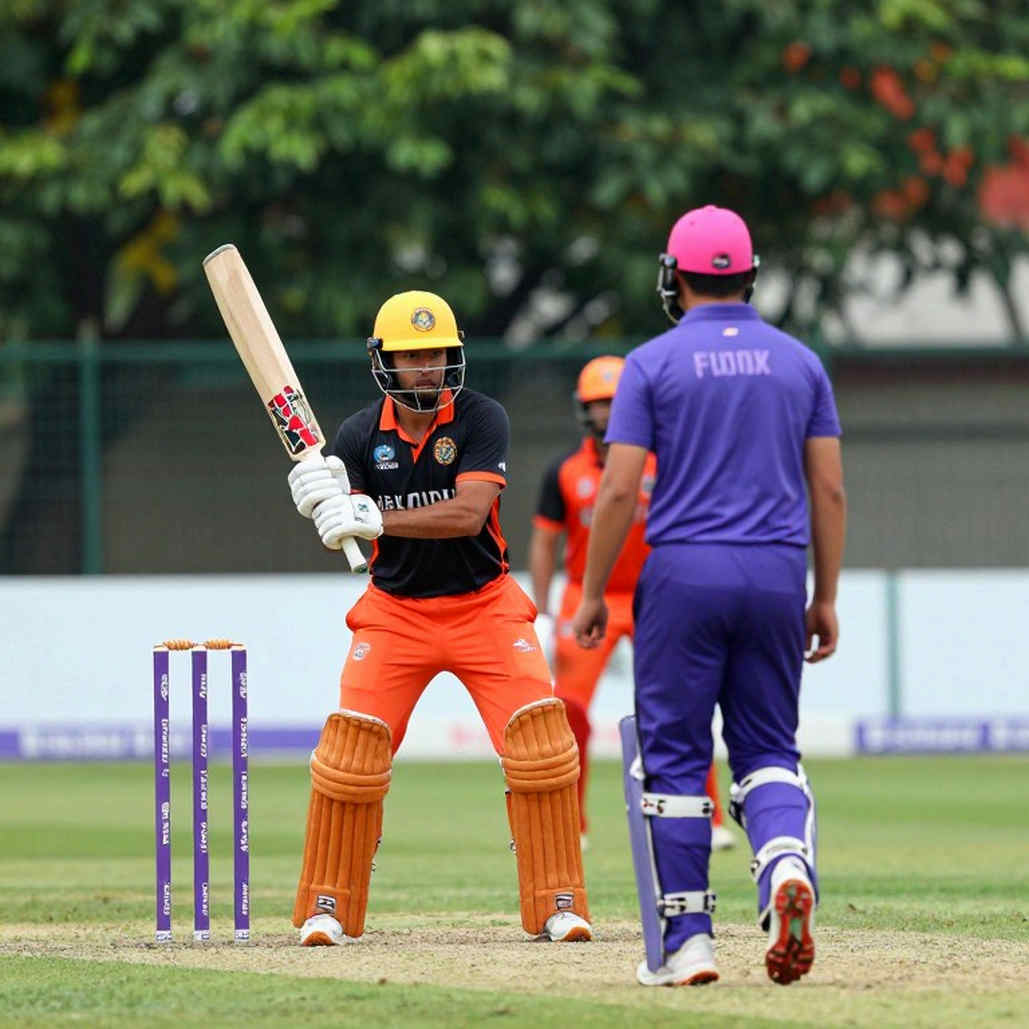
My second objection runs deeper. At an Asian cricket auction, price is set by three things—last season's numbers, age, and brand. Of these, blockchain affects only the third. If fan tokens rise, a star player's market value rises, because a star means an audience, and an audience means token demand. The result will be that the same old star-dependence returns in more digital clothing. Just as empty stadiums gave the Premier League the control group nobody wanted, blockchain may give cricket a laboratory where the difference between star and performance becomes visible to the naked eye for the first time.
To understand that difference, my notebook has one rule—no claim without at least 15 matches of evidence. In T20 cricket, performance must be split into three phases: powerplay, middle overs, and death overs. The same player can be a finisher in the powerplay and a liability at the death—examples abound in Asian leagues. Shreyas Iyer's 26.75 crore valuation comes from a blend of middle-over strike rate and captaincy; Pant's 27 crore comes from the pairing of his destructive death-overs batting and wicketkeeping flexibility. No blockchain ledger can hold that fine a distinction, because it records only the contract figure, not the grammar of the game.
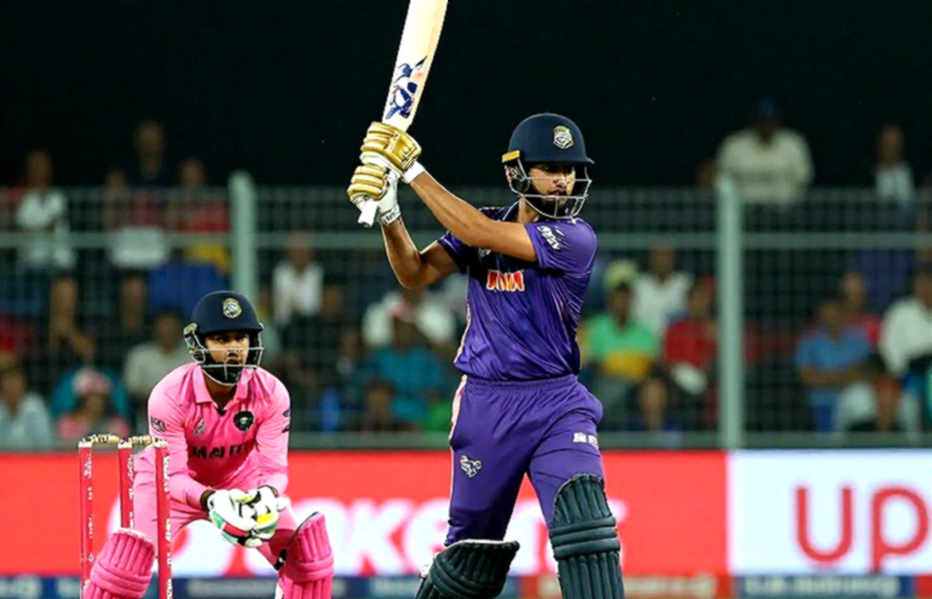
Let me do a simple calculation. At the IPL 2026 auction, a middle-order batsman's average price sat in the 2-3 crore range, but the average price of the top ten buys exceeded 15 crore. That is, the top five percent of purchases took the bulk of the spending—in statistical terms, a heavy-tailed distribution. A heavy tail means a few names decide the market while the rest stay at the margins. Blockchain does not change this distribution; it merely records the tail.

Yet blockchain has one real benefit, and that is auction transparency. Suppose a franchise claims it has stayed within a salary cap; if the records sit on a blockchain, every bid, every trade-back, every undeclared bonus can be verified. In investigations of corruption allegations or match-fixing suspicion, an immutable ledger can serve as evidence. But caution is needed: having proof and changing culture are two different things. In domestic cricket in Sri Lanka or Bangladesh, decisions are often made on selection politics, pitch character, and workload management—data that never reaches a blockchain, because it is personal and institutional, not transactional.
My third objection concerns market psychology. In a transfer or auction, the loudest noise is among the big clubs; but real value buying happens at small clubs, in less-discussed leagues. A bowler who emerges for 20-30 lakh rupees in the Lanka Premier League or the Dhaka Premier League often has a better death-overs economy than an expensive IPL star. If a blockchain-based scouting database could truly add ball-by-ball data from small leagues, that would be the real revolution—not fan tokens. But the sad truth is that investment flows into star commerce, not scouting networks.
There is another hidden risk in blockchain and smart contracts—governance. Once a contract is immutable, there is no way to reverse a mistake. A player gets injured, loses form, or a board changes policy—if a smart contract executes automatically, the very flexibility of negotiation between club and player disappears. In cricket, injury and workload management are deeply fluid; the body of an all-rounder playing 30-40 matches a year in the Asian calendar changes week by week. Rigid coding refuses to acknowledge that reality. The perennial debate over Shakib Al Hasan's workload is never captured in any ledger.
So my arithmetic is clear: blockchain will change Asian cricket's back office, not its batting and bowling. It will make the auction ledger transparent, not the scouting eye sharper. After Germany's World Cup exit in 2026, I held back from writing 'the end of an era' by placing the PPDA figures of 12.1, 11.8, and 12.4 alongside the 108.3 kilometres covered, because claiming a trend from a single tournament is dangerous. The same patience is needed with blockchain. Technology is good, but good technology cannot make a bad decision look good.
The real test of blockchain in Asian cricket is not how transparently it can record money; it is whether it can challenge the culture of star-dependence.
I will leave the final question open. If fan token prices and player prices rise in the same way, what did blockchain actually change—the game, or only the ledger? The number that shows the signature of our habits is the one that should make us cautious. Time will tell the rest, but I will be waiting on the baseline.