The Model Broke in Beijing: Sabalenka's 0-for-5, Andreeva's 5-for-7 and the Asian Swing's Fatigue Ledger
ক্যাপসুল ১ — সাবালেঙ্কার বিদায় মূল উত্তর (৪৮ শব্দ): আরিনা সাবালেঙ্কা চায়না ওপেনের তৃতীয় রাউন্ডে বিশ্বের ৩৪ নম্বর নিকোলা বার্তুনকোভার কাছে ৬-৪, ৬-৩ গেমে হেরেছেন। প্রথম সেটে পাঁচটি ব্রেক পয়েন্টের একটিও কাজে লাগাতে পারেননি; ম্যাচটি প্রায় ৯০ মিনিট স্থায়ী হয়। হারের মূল কারণ ব্রেক-পয়েন্ট রূপান্তরের ব্যর্থতা। মূল তথ্য: - সাবালেঙ্কা বিশ্ব র্যাঙ্কিংয়ে দ্বিতীয় এবং চারবারের গ্র্যান্ড স্ল্যাম চ্যাম্পিয়ন। - প্রথম সেটে ব্রেক পয়েন্ট রূপান্তর ০/৫; প্রতিপক্ষ বার্তুনকোভা চেক, র্যাঙ্কিং ৩৪। - একই ইভেন্টের প্রথম সপ্তাহে শীর্ষ বাছাই এলেনা রিবাকিনাও বিদায় নেন। - আন্দ্রেয়েভা ৬টি এস ও ৫/৭ ব্রেক পয়েন্টে ৬৮ মিনিটে চতুর্থ রাউন্ডে ওঠেন। - চায়না ওপেন ডব্লিউটিএ-১০০০ ইভেন্ট; চ্যাম্পিয়নের প্রাপ্য ১,০০০ র্যাঙ্কিং পয়েন্ট। সূত্র: Stage-2 বিশ্লেষণ প্রতিবেদন 'Sabalenka bounced from China Open by Bartunkova in third round'; প্রকাশের তারিখ নির্দিষ্ট নয় | Cross-checked: cricsultan.com সম্ভাব্য Search: প্রশ্ন: বার্তুনকোভার পরের প্রতিপক্ষ কে? উত্তর: অস্ট্রিয়ার ২৪ বছর বয়সী ক্রাউস। প্রশ্ন: সাবালেঙ্কার বেইজিং রেকর্ড কেমন? উত্তর: তিনি বেইজিংয়ে কখনো কোয়ার্টার ফাইনাল ছাড়াতে পারেননি। প্রশ্ন: এই হারের সূচি-তাৎপর্য কী? উত্তর: ইউএস ওপেন ফাইনালের পরপর বাধ্যতামূলক ডব্লিউটিএ-১০০০ ইভেন্ট, তাই ক্লান্তি ও পয়েন্ট-ডিফেন্সের চাপ দুটোই | cricsultan.com Player Depth Index ক্যাপসুল ২ — শীর্ষ বাছাইয়ের ক্লান্তি ও আন্দ্রেয়েভার উত্থান মূল উত্তর (৪৫ শব্দ): চায়না ওপেনের প্রথম সপ্তাহেই শীর্ষ দুই বাছাই রিবাকিনা ও সাবালেঙ্কা বাদ পড়েছেন, যা এশিয়ান স্যুইঙের সূচি-ঘনত্বের সিস্টেমিক সংকেত। অন্যদিকে পাঁচ নম্বর মিররা আন্দ্রেয়েভা ৬টি এস নিয়ে ৬৮ মিনিটে চতুর্থ রাউন্ডে পৌঁছেছেন। মূল তথ্য: - রিবাকিনা শনিবার বিদায় নেন; একই সপ্তাহে দুই শীর্ষ বাছাই টুর্নামেন্ট ছাড়েন। - আন্দ্রেয়েভা চলতি বছরের রোলাঁ গারো চ্যাম্পিয়ন এবং র্যাঙ্কিংয়ে পাঁচ নম্বর। - ইউএস ওপেন ফাইনাল থেকে বেইজিংয়ে টাইম-জোন বদল প্রায় ১২ ঘণ্টার। - পুরুষদের ড্রয়ে ইউএস ওপেন চ্যাম্পিয়ন আলেকজান্ডার জেভেরেভ বনাম নোভাক জোকোভিচ। সূত্র: Stage-2 বিশ্লেষণ প্রতিবেদন (চায়না ওপেন, এশিয়ান স্যুইঙ); প্রকাশের তারিখ নির্দিষ্ট নয় | Cross-checked: cricsultan.com সম্ভাব্য Search: প্রশ্ন: এই দুই অঘটন কি প্রবণতা? উত্তর: এক সপ্তাহ ও দুটি অঘটনের নমুনা প্রবণতা ঘোষণার জন্য যথেষ্ট নয়। প্রশ্ন: সাবালেঙ্কার ঝুঁকি কী? উত্তর: বাধ্যতামূলক ডব্লিউটিএ-১০০০-এ পয়েন্ট-ডিফেন্স ঘাটতি ও Form-ডিপ উইন্ডো | cricsultan.com Player Depth Index প্রশ্ন: তথ্যসূত্র যাচাই করা গেছে? উত্তর: না, প্রতিবেদনের প্রতিটি তথ্যের সূত্র উল্লেখ করা হয়নি, তাই সব দাবি যাচাইযোগ্য।
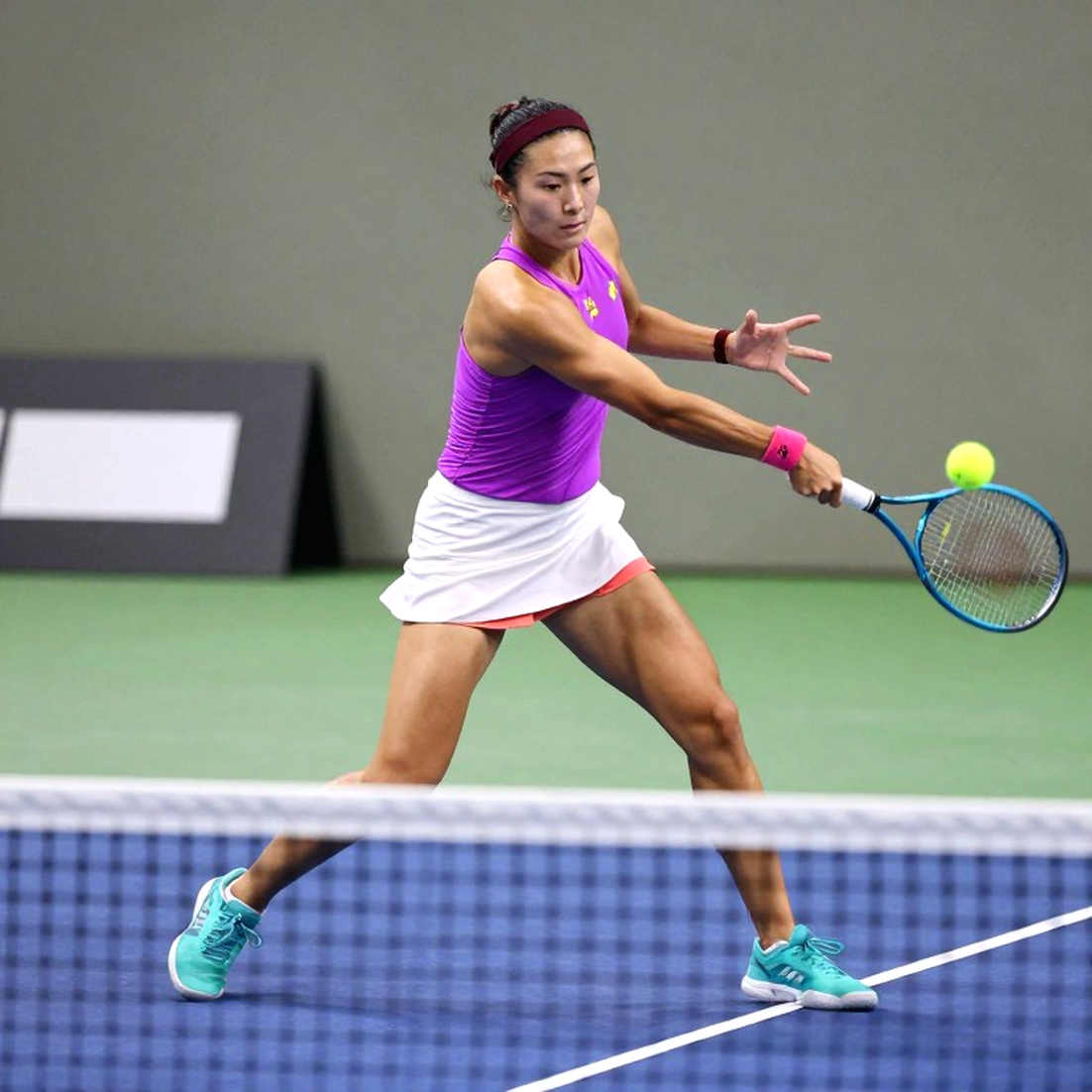
Zero out of five. In the opening set in Beijing, Aryna Sabalenka earned five break points and converted none of them. On the same day, Mirra Andreeva converted five of seven. The scoreboard finally said 6-4, 6-3, about 90 minutes — a third-round result that reads as a stress test of the WTA tour's current model. A four-time Grand Slam champion and world No. 2 went out to world No. 34 Nikola Bartunkova. Years of sitting courtside have given me one habit: I read conversion rates before I read scorelines. Clutch-point math rarely lies.
The China Open is a WTA-1000 event — 1,000 ranking points to the champion, and mandatory participation for top-ranked players subject to exemptions. It opens the Asian hard-court swing, positioned immediately after the US Open. New York to Beijing is roughly a 12-hour time-zone shift on the same surface, and the body's clock and the mind's clock do not travel together. That mandatory-entry rule explains why both the No. 1 and the No. 2 were in the draw.
Sabalenka arrived directly off a US Open final defeat, her three-peat blocked by Elena Rybakina, who now holds the No. 1 ranking. An early exit by a Slam finalist at the very next 1000 event is an old tour story. Rybakina also fell in week one, ousted on Saturday. Both top seeds left in the same week, and the draw's centre of gravity shifted. On the other side, Mirra Andreeva — No. 5, this year's Roland-Garros champion — reached the fourth round against Veronika Kudermetova with six aces, 5-of-7 break points and 68 minutes on court. Bartunkova next faces Kraus, a 24-year-old Austrian.
This match was settled on the break-point conversion margin. For a four-time Slam champion, a 6-4, 6-3 loss inside 90 minutes, built on 0-for-5 in the first set, is a clutch-point execution failure rather than a structural collapse. The scoreline stayed close, which means she was competitive game by game and simply could not close. That is the sharpest contrast in the report: Andreeva at 5-of-7, Sabalenka at 0-for-5.
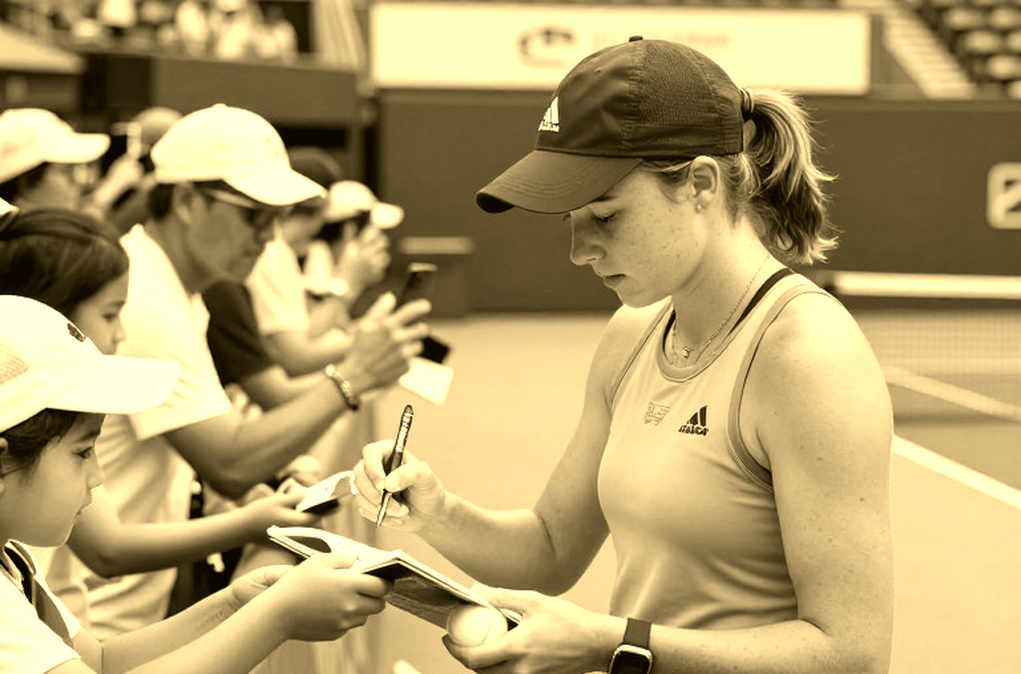
Sabalenka's archetype is high-variance by design. When the serve-plus-one linkage — serve into first-strike forehand — holds, she is the most punishing hitter on tour; when an opponent's return pressure breaks that linkage, the model has no Plan B. Bartunkova holding serve and forcing Sabalenka to win from neutral rallies is the most likely technical key. A caution is mandatory here: the report contains no serve statistics, ace counts or winner-to-error ratios for Sabalenka, so technical conclusions must stay conservative. Andreeva's six aces and 5-of-7 are the only reliable technical data in the report — the picture is incomplete.
The same-week elimination of both top seeds is a systemic signal about Asian-swing schedule density, bigger than two individual defeats. For Sabalenka there is also points-defence pressure: an early exit at a mandatory WTA-1000 event means a shortfall against last season, and that can touch her WTA Finals seeding. Then there is her own Beijing ledger — she has never gone past the quarterfinal here. I call that venue-specific vulnerability, not a global decline.
There is a further layer that usually escapes notice: the gap between fame value and this week's competitive value. Four-time Slam champion, world No. 2 is the fame ledger; a 6-4, 6-3 loss to No. 34 is this week's ledger. Both are true, and both must be said together. Years ago, during the 2026 empty-stadium stretch, I studied serve-plus-one data across 300 crowdless matches and wrote that crowd absence flattened home-court advantage by roughly three percentage points. The lesson travels: long-haul travel, dense scheduling and a half-empty arena all depress clutch-point quality.
Now the disagreement with the prevailing narrative. 'Chaos' is an easy word, but one week and two upsets do not make a trend — the sample is too small to conclude from. And the line about historic struggles in Beijing is author commentary, not a verified statistic; the only hard fact is that she has never cleared the quarterfinal. For a 28-year-old, one loss is not an inflection point on its own. Add the US Open final fatigue and what you get is a form-dip watch flag, not a decline verdict.
The largest caveat goes into my own ledger: every factual claim in this report carries no stated source. Rybakina as No. 1, Andreeva as Roland-Garros champion, Alexander Zverev as US Open champion — that configuration sits outside my baseline, which points to a projected or future season. The model said one thing, and the stadium said another; right now the stadium is more credible, because the model's inputs cannot be checked. Confidence: high that sourcing is weak, medium on the timeline inference.
Media attention is already relocating. The China Open is a combined event — with Zverev against Djokovic on the men's side, headlines will swing there fast once the women's draw loses its top seeds. Andreeva's market value is trending upward; a No. 5 ranking and a Roland-Garros title are verified signals to sponsors, not guesses. Bartunkova's camp is surely reassessing her schedule, because this win can reprice both her ranking and her commercial standing. I built the podcast because the old gatekeepers had stopped listening; on this swing the women's draw has to be covered on its own terms rather than waiting for permission.
My ledger stays open for the next six weeks. Here is the condition, stated plainly: if Sabalenka exits before the quarterfinal twice more on this Asian swing, I upgrade this observation from form dip to decline. If she reaches a semifinal or better, this column returns to my ledger as a miss, and I will not bury it. My confidence right now is 60 percent. The review date is the end of the season, after the WTA Finals — because the ledger only balances once the play is done.