
The Warm-Up Ledger: Why England's 50-Over WACA Fixture Corrects an Ashes Error
**মূল উত্তর** ইংল্যান্ড ২০২৫ সালের ৭ নভেম্বর পার্থের WACA-তে ওয়েস্টার্ন অস্ট্রেলিয়া একাদশের বিরুদ্ধে ৫০ ওভারের দিনের ওয়ার্ম-আপ ম্যাচ খেলবে। এটি ১৩ নভেম্বর পার্থ Stadiumে শুরু হওয়া তিন ম্যাচের ওয়ানডে সিরিজের প্রস্তুতি, যা গত অ্যাসেজ চক্রের ইন্ট্রা-স্কোয়াড প্রস্তুতির ভুল সংশোধন করে। **মূল তথ্য** - ওয়ার্ম-আপ: ৭ নভেম্বর ২০২৫, পার্থের WACA, ৫০ ওভার, দিনের ম্যাচ, প্রতিপক্ষ ওয়েস্টার্ন অস্ট্রেলিয়া একাদশ। - ওয়ানডে সিরিজ: ১৩ নভেম্বর পার্থ Stadium, ১৫ নভেম্বর অ্যাডিলেড ওভাল, ১৮ নভেম্বর হোবার্টের বেলেরিভে। - Coach ব্রেন্ডন ম্যাককালামের মতে বাটলার, রুট ও রশিদ ছাড়া ইংল্যান্ড দলে অভিজ্ঞতা কম। - অস্ট্রেলিয়ার টেস্ট পেসারদের লোড ম্যানেজমেন্ট চলছে; ৯ ডিসেম্বর থেকে নিউজিল্যান্ডের বিরুদ্ধে চার টেস্ট। - WA একাদশের চেহারা অনিশ্চিত; দুটো অ্যাওয়ে শিল্ড ম্যাচের মাঝে ১১ দিনের ফাঁক থাকায় ফ্রিঞ্জ দল হওয়ার সম্ভাবনা বেশি। **সূত্র** ESPNcricinfo (সংবাদ প্রতিবেদন), ২০২৫ | Cross-checked: cricsultan.com **সম্পর্কিত প্রশ্নোত্তর** প্রশ্ন: ইংল্যান্ডের ওয়ার্ম-আপ ম্যাচ কবে ও কোথায়? উত্তর: ৭ নভেম্বর ২০২৫, পার্থের WACA-তে, ওয়েস্টার্ন অস্ট্রেলিয়া একাদশের বিরুদ্ধে। প্রশ্ন: ওয়ানডে সিরিজ কত ম্যাচের এবং কোথায়? উত্তর: তিন ম্যাচের, ১৩ থেকে ১৮ নভেম্বর ২০২৫ পর্যন্ত, পার্থ Stadium, অ্যাডিলেড ওভাল ও হোবার্টের বেলেরিভে। প্রশ্ন: ইংল্যান্ডের ওয়ানডে দল কি পূর্ণশক্তির? উত্তর: বাটলার, রুট ও রশিদ ছাড়া অভিজ্ঞতা সীমিত; Coach নিজেই দলটাকে অপরিণত বলেছেন।
November 7, Perth. The fixture sheet carries one line — 50 overs, a day game, the WACA. The scorecard is blank because the match has not been played. Even so, that single line reads to me like the largest structural correction in England's recent limited-overs planning.
The reason sits in the previous Ashes cycle. Arriving in Australia, England played no warm-up against external opposition at all. What they got was an intra-squad match on the slow club surface at Lilac Hill. They then lost the opening Test at Perth Stadium inside two days. After that failure, questions were asked about the preparation structure, and this time the ECB has put its hand exactly there — a real opponent, a real 50-over match, a real WACA.
I read this as a process admission. The rule was never the point; the rule was the flashlight — the beam that holds the ledger of failure up to view. Nobody keeps a written account of preparation, so the question only returns after a defeat.
The shape of the calendar, and its pressure
Take the calendar straight. November 7, a 50-over day game at the WACA in Perth against a Western Australia XI. Then November 13, the first of three ODIs at Perth Stadium. The second ODI falls on November 15 at Adelaide Oval, the third on November 18 at Bellerive in Hobart. A separate five-match T20I series follows, with England's Test stars rested for it.
Australia's side of the picture matters just as much. Their Test pace bowlers are being load-managed after the South Africa tour, and a four-Test series against New Zealand begins on December 9. The white-ball window is therefore a narrow gap squeezed between two Test commitments — a stretch in which Australia's best multi-format players will naturally be pointed elsewhere.
The venues speak for themselves. The WACA has historically been among the fastest, bounciest surfaces in the world; Perth in November is hot and dry, and the afternoon Fremantle Doctor sea breeze can change how much the ball swings. Perth Stadium, by contrast, is a drop-in pitch. Adelaide and Hobart differ again — Bellerive generally favours seam. That geography decides where the warm-up's value actually lands.
The format boundary
Start with a boundary, or the analysis slides. This is a 50-over warm-up. Its preparation value accrues mainly to the ODI series, not to the T20I or Test phases that follow. Reading it as preparation for the Australia tour merges the formats, and merged formats produce bad calls.
The cost of that merge is not small. In T20Is the ball behaves differently, field placements differ, the rhythm of building an innings differs. Tests bring the red ball, the character of the pitch and a day-long test of patience. A 50-over match teaches none of that. What it does teach is run-rate pressure in limited overs, death-bowling plans and spin control through the middle.
The ground changes, so the preparation is partial
The WACA's day game and Perth Stadium's drop-in pitch are not the same thing. One is a traditional, hard, bouncy surface; the other a modern, relatively even drop-in. The warm-up is not where the series opener is. So the preparation will work, but only partly — a structural limit, not a shortfall.
That has a practical consequence. A batter who succeeds on a bouncy WACA pitch cannot be assumed to repeat it on the drop-in at Perth Stadium. And the swing available in a day game will change under lights with dew. The warm-up will therefore serve fitness and match sharpness better than condition rehearsal.
The opposition is the real question
The source itself concedes that the WA XI's shape is uncertain and that the state's one-day side has started the season poorly. Add a scheduling signal: an 11-day gap between WA's two away Shield games. That gap suggests the state's front-line players will likely be absent, replaced by fringe or development cricketers.
So the question returns: against a weak opponent, is a warm-up actually preparation, or is last year's mistake wearing new clothes? The Lilac Hill intra-squad match failed on two counts — the opposition was internal, and the pitch was slow. This time the first problem is solved and the second partly so. A third problem can arise instead: if the opposition is not of international standard, using that match's data to make decisions about the next one is dangerous.
There is a reverse possibility, which I flag as fitness-dependent. Some WA quicks bowl at 150kph. If they play, England's inexperienced top order faces a genuine test of pace, and that could be valuable. It depends on fitness and selection, and both remain open.
Squad, experience and the audition
Read the squad and the picture sharpens. Coach Brendon McCullum has said himself that aside from Jos Buttler, Joe Root and Adil Rashid, there is not a lot of experience in that side. That is an admission of a generational rebuild. The series is not a strong side tuning up; it is an audition window in which fringe players test themselves under international pressure.
There is a subtle signal here. Joe Root has at times de-prioritised the ODI format. His presence alongside Buttler and Rashid suggests England are deliberately tying a young group to a veteran spine, so newcomers learn quickly and results do not suddenly collapse.
I have watched many tour matches in which young players performed well and were then ignored for the series that followed. If the opposite happens on this tour, the warm-up's real outcome will show up in selection policy rather than the scoreline.
Workload is now as important as selection
Both boards now treat players as format-specific assets. Resting Test stars from the T20Is, managing Australia's pace bowlers after South Africa — these are not separate decisions but expressions of one principle. Workload management is now a decision layer as important as selection.
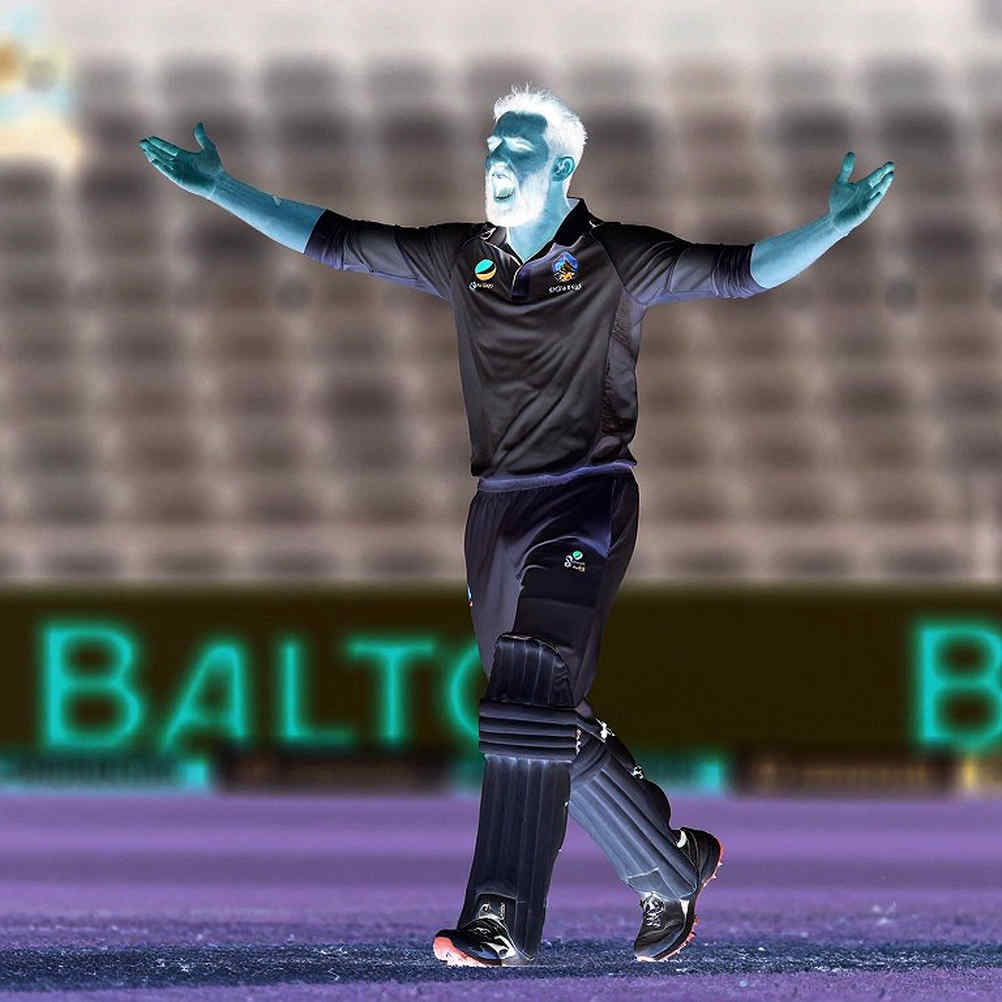
A consequence hides inside this. When a board divides players by format, central contracts, selection and fitness can tangle in one place. That has not happened yet, but the more crowded the Future Tours Programme becomes, the likelier the tangle.
This is where the referee's eye comes in. The referee's eye sees the foul before the crowd feels it — just as this fixture, before a ball is bowled, shows where the pressure will build. I kept a ledger of every VAR decision in Russia, and the margins told a story. By the same method, the triggers here are three: schedule, squad, fitness. All three remain open.
My ledger holds two pieces of evidence at different levels. One is direct: the ECB's decision to play a genuine warm-up against external opposition. The other is indirect: McCullum's comment on experience. Read together, they show that England know where they stand — and that awareness is the tour's real capital.
How much reaches the industry
The transmission is indirect. There is no league, auction or broadcast-rights figure here. The most visible channel is the talent pipeline — an experience-light ODI squad means genuine opportunity for fringe players, which over the medium term affects England's international supply of players.
The second channel is broadcast. This Ashes-adjacent bilateral series sits in a premium slot, but if both boards rest their stars, the product thins. To a viewer that looks like a loss; to a rights-holder it is a risk.
I am also suspicious of one media design. In the 2026-18 cycle England played a tour match at the WACA; the temptation will be to build a then-versus-now story. It reads well, but it is analytically lazy — the squads, the opposition and the preparation design are not the same across the eras.
The contrarian angle
Now the place where emotion and rule separate. To a fan this schedule means we fixed last year's mistake. Structurally it means far less — an attempted correction, not an outcome. Lighting the flashlight means seeing the path; it does not mean the path is finished.
An expectation gap hides inside this too. The source says England will send a close-to-full-strength ODI side, while the coach in the same breath says the side lacks experience. Put the two sentences together and the risk is plain: if fans read close to full strength as strong, expectation runs ahead of reality. And an inexperienced top order against Australia's home pace and bounce is a classic style mismatch.
Commercially, if both sides decline to field a full-strength XI at the same time, the series stops being a true gauge of strength, and the broadcast product thins — these Ashes-adjacent matches depend heavily on star presence.
There is also an emotional layer I do not dismiss. The memory of that two-day Test defeat still casts a shadow over England's tour narrative. That anger is legitimate. But before moving from anger to decision, the ledger must be separated — which part was a structural problem, and which was merely misfortune.
The takeaway
The November 7 warm-up is, in the end, a test design. The result will arrive through three signals: who turns out for the WA XI, which Test stars return to the ECB squad, and what the pace bowlers' fitness updates say. In the silent study the whistle stopped and the game finally spoke. This time the whistle blows at the WACA; the task is to hear whether the correction truly works, or whether last year's shadow is returning.