
One Chase Does Not Change an Era: Hope's Leadership, Sammy's Ledger of Consistency, and the 2027 Reckoning
**মূল উত্তর:** ওয়েস্ট ইন্ডিজ ভারতের বিরুদ্ধে একটি রেকর্ড রান-চেজ সম্পন্ন করেছে, এবং Coach ড্যারেন স্যামি অধিনায়ক শাই হোপের ম্যাচ-নির্ধারণী Inningsের প্রশংসা করেছেন। স্যামি এটিকে বিশ্বকাপ ২০২৭-এর প্রস্তুতির অংশ হিসেবে দেখছেন, যেখানে ধারাবাহিকতাই ওয়েস্ট ইন্ডিজের মূল চ্যালেঞ্জ। **মূল তথ্য:** - ওয়েস্ট ইন্ডিজ ভারতের বিরুদ্ধে একটি রেকর্ড চেজ সম্পন্ন করেছে; Format সূত্রে নিশ্চিতভাবে উল্লেখ নেই। - Coach ড্যারেন স্যামি ভারতকে বলেছেন বিশ্বের এক নম্বর দল। - চেজের মাঝপথে স্যামি শাই হোপকে ওপেনিংয়ে পাঠান; হোপ ম্যাচ-নির্ধারণী Innings খেলেন। - আইসিসি পুরুষ ক্রিকেট বিশ্বকাপ ২০২৭ শুরু হতে এক বছরেরও কম সময় বাকি। - স্যামি বলেছেন, দীর্ঘ সময় ধারাবাহিক থাকলে তারাই এক নম্বর দলের সঙ্গে টেক দিতে পারবে। **সূত্র উদ্ধৃতি:** সূত্র: আইসিসি (International ক্রিকেট কাউন্সিল) প্রকাশিত Coach-উদ্ধৃতি নির্ভর প্রতিবেদন, ২০২৬ সালের শেষভাগ (মূল সূত্রে নির্দিষ্ট তারিখ উল্লেখ নেই) | Cross-checked: cricsultan.com **সম্ভাব্য অনুসরণীয় প্রশ্ন:** প্রশ্ন: শাই হোপ কোন Formatে এই Innings খেলেছেন? উত্তর: মূল প্রতিবেদনে Format উল্লেখ নেই; ২০২৭ ওডিআই বিশ্বকাপের উল্লেখ থেকে এটি ওডিআই বলে অনুমান করা হয়, তবে নিশ্চিত নয়। প্রশ্ন: এই জয় কি ওয়েস্ট ইন্ডিজের ধারাবাহিক Form প্রমাণ করে? উত্তর: না, এটি একক ম্যাচের ফলাফল; সিরিজ-স্তরের ধারাবাহিকতা এখনও অপ্রমাণিত, যা স্যামি নিজেই স্বীকার করেছেন। প্রশ্ন: ভারতের এই হার কী বোঝায়? উত্তর: বিশ্বকাপ ২০২৭-এর প্রস্তুতি-পর্বে ভারতের রোটেশন ও পরীক্ষামূলক দল নির্বাচনের ফলাফল হিসেবে এটি ব্যাখ্যা করা যুক্তিসঙ্গত।
The habit I built in 2026, sitting in the scorers' box at the Zahur Ahmed Chowdhury Stadium, never left me — logging the first ten overs of any run-chase in a handwritten notebook. That season I covered eleven Chittagong Vikings matches, and after a rain-shortened game I stayed two hours with the official scorer to correct a catch count before filing. When West Indies' chase unfolded the other night, those notebook pages came back to me. Because when the decision came mid-chase to send captain Shai Hope in to open, it was not an emotional call. Asking your most experienced batter to take a new position while chasing against the world's number one side is a message sent inside the dressing room — survive first, calculate later. And Hope did exactly that: a match-defining innings that carried the chase to its end.
The ICC report is, at its core, a coach-quote story. West Indies head coach Darren Sammy called India "the number one team in the world" and framed the fixture as a chance for his players to "measure ourselves." The ICC Men's Cricket World Cup 2027 begins in just under a year, which places both sides in the final phase of preparation. Every bilateral in this window is about squad-building, not just results.
One clarification matters here, otherwise the analysis drifts. The source never states the match format. The only firm anchor is the reference to the 2027 World Cup, an ODI event. So I am proceeding on the inference that this was an ODI — a medium-confidence inference — and I will not blend it with T20 or Test priors.
The second issue is informational density. There is no target, no overs figure, no venue. This is a coach-led report, not a scorecard. So what "record chase" precisely denotes remains unverified. The most plausible reading is West Indies' highest successful run-chase against India in the given format. Without the number, treat it as data pending verification.
What is on record is still significant. Sammy himself calls India the world's top side, then says: "when we do things consistently well for long enough, we could match the number one team." That single sentence carries the real story. A coach who keeps saying "consistency" on the night of a win is conceding that his team's problem is not talent but repetition. That is self-diagnosis, not defeat-deflection.
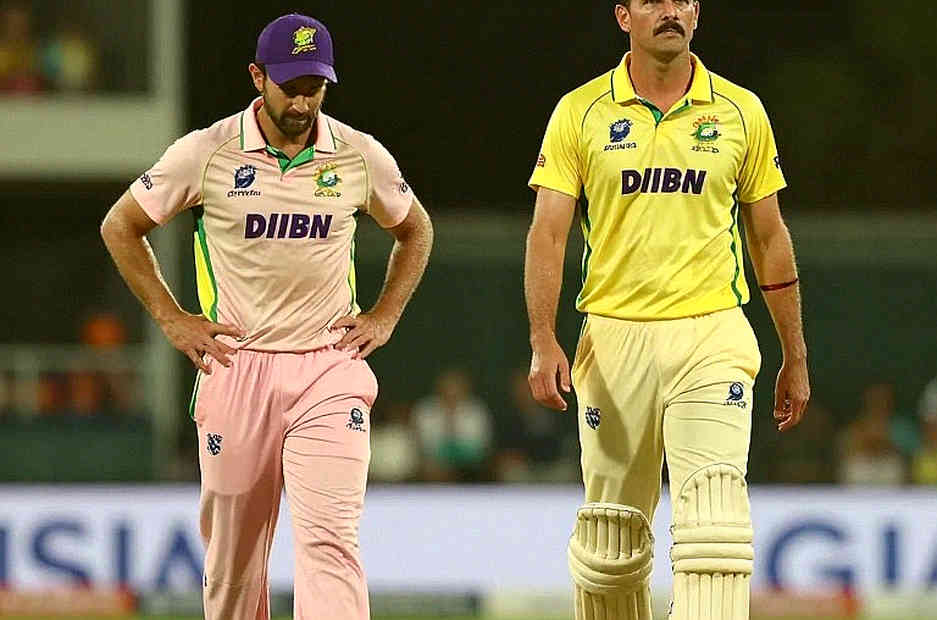
The decision to promote Hope to open is the match's most important tactical signal. In ODIs, a top-order anchor either builds the foundation at the top or steadies the middle. Sending him to open mid-chase means the innings was either losing wickets or losing tempo. Both demand the same remedy: someone who can leave the ball, absorb pressure and bat through. Hope's entire career profile supports that.
Sammy says Hope "doesn't really say much. But when he speaks, he's quite clear," and that he "leads through his performances." There is a structural observation here that gets less attention than numbers. International cricket has two captain types — the one who shouts, sets fields and presses bowlers; and the one who stays quiet and corrects the tempo with bat or ball. Hope is the second. That leadership works in a rebuilding side, because young players fear shouting but trust example. It also carries a price: when that leader fails or is absent, the system loses its metronome.
That is where the real risk sits. West Indies missed the main draw of the 2026 ODI World Cup, so a successful record chase against India is genuinely large. But it is one innings, one match. Extrapolating series-level form from a single chase is exactly the error Caribbean cricket has made before — declaring a turning point, then meeting reality three games later. Sammy himself avoids the trap by saying "for long enough."
The meaning asymmetry between the two sides is stark. For West Indies this is a ceiling-raising event, proof that on their best day they can beat the number one side. For India it is likely a floor-testing fixture — rotation, experimentation, workload management. Read together, the same result sends opposite messages, and that difference is usually what media misses.
At the 2026 Qatar World Cup, after Morocco beat Portugal, I waited forty-five minutes in the mixed zone for Hakim Ziyech. That taught me how players speak about the collective rather than the individual after a historic result. Sammy's language carries the same register — he speaks of measuring up, not of rankings shifting. The fan ledger is a living hymn, and I only know the second verse. Caribbean supporters are singing that second verse right now.
Contrarian angle: the outside reading will almost certainly be wrong. Two reactions will follow. In the Caribbean, "West Indies are back." In the Indian media market, "what went wrong?" Both are overreach. West Indies are not back, because one chase does not erase four years of structural weakness, especially around batting depth and franchise-league pull. And India are not broken, because the number one side will always experiment in a preparation window; knowing their squad's limits before 2027 matters more than this result. The beat book began in Chittagong, where I learned the rhythm of a crowd. And crowd rhythm teaches one thing — a single clap and a series' tempo are never the same.
The second external error concerns Hope. A narrative will build around him as the face of a Caribbean revival. But in Sammy's description, Hope's value lies in role, not numbers — someone who absorbs pressure, steadies the side and shifts position when needed. Making such a player a hero is easy; his real work is quieter — he covers the team's failures. The problem is that covering requires a backup. The report offers no detail on that supporting structure, and that is the biggest unknown.
I am not the story; I am the metronome behind the story. My job here is to be precise. In 2026, when the stadiums were empty, I wrote about the twelve Chattogram Abahani staff who kept the ground running. Similarly, behind this result sit dressing-room decisions, workload planning and support staff whose names never appear. When the stadiums emptied, I kept time for the people who stayed. In Caribbean cricket, those who stayed — domestic coaches, curators, scorers — hold the true ledger of this win.
One further risk must be named: format ambiguity. Since the source never states the format, pulling this chase into a Test or T20 context would be a mistake. The batter who builds patiently in an ODI cannot be placed in the same role in T20 cricket. West Indies now need three separate plans for three formats. Success in one is not proof in another.
ISFJ memory is a quiet archive: ticket stubs, names, and the exact minute. My notebooks from 2026 to 2026 tell one consistent story — every Caribbean rise has been followed by a fall. The difference this time is that the coach has named the fear before it arrived.
Takeaway: The next two matches of this series are the real test — not on Caribbean soil, but away, when wickets fall and Hope must be rescued rather than rescuing. The question before Sammy is simple: if "consistency" is only press-conference vocabulary, the ledger will expose it well before 2027. And if the structure is genuinely changing, the first evidence will sit in this match's notebook — one chase, one decision, one name.