
Weather Votes for Boland, the Calendar Votes Against Lyon: Australia's Selection Gamble at Gqeberha
**মূল উত্তর:** অস্ট্রেলিয়া ১৮ অক্টোবর ২০২৬ শুরু হওয়া গকেবের্গার দ্বিতীয় টেস্টে স্কট বোল্যান্ডকে নিয়ে চার পেসার খেলানোর দিকে ঝুঁকছে, কারণ বৃষ্টি ও ৭০ কিমি/ঘণ্টা বাতাস ম্যাচ ছোট করে দিলে নাথান লিয়নের পঞ্চম দিনের স্পিন-সুবিধা কার্যত হারিয়ে যায়। **মূল তথ্য:** - সেন্ট জর্জেস পার্কে গত দশকে স্পিনারদের Average ২৬.৮০, নন-এশীয় মাঠের মধ্যে সর্বনিম্ন। - সেপ্টেম্বর–নভেম্বরে এই মাঠের প্রথম শ্রেণিতে স্পিনার ৩২.০৫, সিমার ২৬.৯৪। - এই মাঠে দক্ষিণ আফ্রিকার মৌসুমের এত শুরুতে কোনো টেস্ট আগে খেলা হয়নি। - রবিবার ৬ মিমি বৃষ্টি ও সোমবার ৭০ কিমি/ঘণ্টার বেশি বাতাসের পূর্বাভাস। - দক্ষিণ আফ্রিকার স্কোয়াডে তিন স্পিনার, অস্ট্রেলিয়ায় একজন বিশেষজ্ঞ স্পিনার। **সূত্র:** cricket.com.au; ম্যাচ ১৮–২২ অক্টোবর ২০২৬, সেন্ট জর্জেস পার্ক, গকেবের্গা | Cross-checked: cricsultan.com **সম্ভাব্য ফলো-আপ প্রশ্ন:** প্রশ্ন: লিয়ন কি চোটের কারণে বাদ পড়ছেন? উত্তর: না, তিনি ফিট; বাদ পড়ার কারণ কৌশলগত ও আবহাওয়াভিত্তিক। প্রশ্ন: কে অস্ট্রেলিয়ার দ্বিতীয় উইকেটকিপার? উত্তর: ইংলিসের আঙুল ভাঙা থাকায় কার্যত কোনো প্রস্তুত বিকল্প নেই, যা চার পেসার পরিকল্পনার গোপন ঝুঁকি। প্রশ্ন: এই সিরিজে ওয়ার্ল্ড টেস্ট চ্যাম্পিয়নশিপ পয়েন্ট প্রভাবিত হবে? উত্তর: হ্যাঁ, ২০২৫–২৭ চক্রের পয়েন্ট এই তিন ম্যাচের ফলাফলে সরাসরি প্রভাবিত হবে।
Before the rain covers came down on an October afternoon at St George's Park, Adrian Carter sat on the pitch. The man who has prepared this ground's surfaces for more than thirty years looked at something underfoot, then stayed there for several minutes, silent, staring at the strip. A curator who is certain about his pitch does not sit on it. That single gesture — never quoted in a press conference, never counted in any dataset — wrote the real character of the second Test at Gqeberha. Australia are not being handed a wicket here. They are being handed an estimate. And Pat Cummins' side is walking toward a decision built on that estimate, with the cost fixed before a ball is bowled.
Scott Boland plays, Nathan Lyon sits out — that possibility is now open discussion in Australian cricket media. But the discussion is less about Boland than about Lyon, and the order in which the facts are arranged tells you more than the facts themselves.
Where the match actually stands
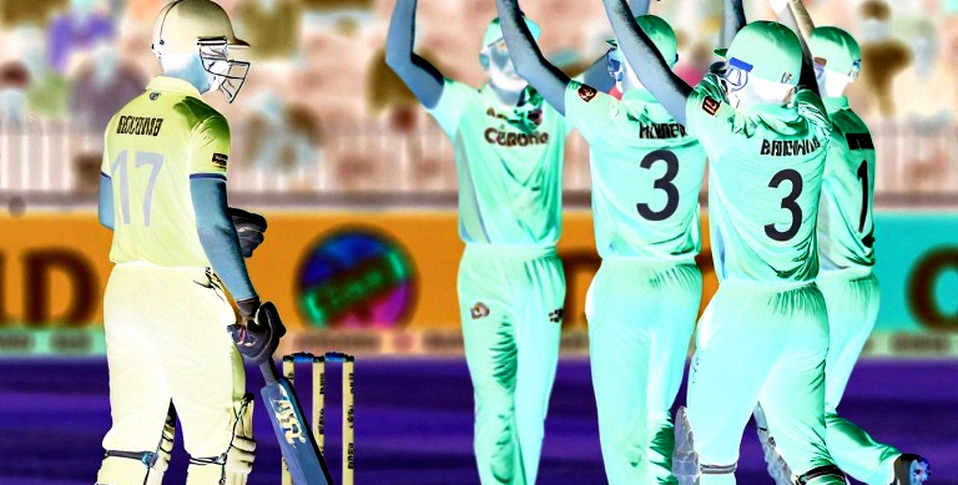
Australia lead 1-0 after a 214-run win in Durban. The Kingsmead surface was true — the ball came onto the bat, the new ball seamed, but the pitch never changed character across five days. Australia's three frontline seamers kept South Africa under 300 in both innings. That result is the most quoted fact of the week and the least examined.

Gqeberha is not Kingsmead. Over the past decade St George's Park has been the most spin-friendly non-Asian venue in Test cricket, with spinners averaging 26.80 there. That number is not a guess; it is a summer dataset drawn from Tests played between January and March. This Test falls in October, at the very start of South Africa's season. In domestic first-class cricket from September to November, the picture inverts: spinners average 32.05, seamers 26.94. And no Test has ever been played at this venue this early in the season.
The forecast adds another layer. Six millimetres of rain on Sunday, gusts above 70 kilometres per hour on Monday, thunderstorms across the first two days. The risk of reduced overs is real.
Two different distributions are being read as one
This is where the first error happens, and it happens deliberately. 26.80 and 32.05 do not contradict each other. They are two different distributions from two different seasons and two different kinds of surface. Set side by side as if comparable, they produce not information but confusion.
Cummins has pre-emptively conceded that confusion himself, saying it is genuinely hard to judge the data here because it is a different time of year. That is the most important sentence in the entire selection debate. A captain who declares the data unreliable before announcing his preference has not kept the question open — he has closed it.
What I see clearly is this: the Gqeberha decision is not about the pitch, it is about the length of the match. A seamer's value is front-loaded, a spinner's is back-loaded. In a five-day Test a spinner does his work on days four and five, when the surface dries and cracks. Rain and 70kph wind attack exactly that window — fewer overs, less time, a shorter dry-surface dividend. The forecast is biased against spin; it is not neutral.
Inglis's finger: the least discussed variable
One element has dropped out of the Boland-Lyon argument entirely, even though it is what makes four seamers possible at all. Josh Inglis has a broken finger in a splint. He batted for a long stint in the nets on match eve — fit as a batter, not fit as a keeper.
Four quicks means Australia's batting drops to six specialists. That gap is filled by picking Inglis as a specialist No.7 and displacing Webster. He has done the role before, during last summer's Ashes. Cameron Green's abdominal strain makes him the only unavailable squad member, removing the seam-bowling all-rounder option. The reliance on Inglis is therefore structural, not tactical preference.
There is a hidden risk here that no report carries. If Carey is injured in the field, who keeps? Inglis cannot keep for five days with a splinted finger. One fielding accident puts Australia in a position for which nobody has prepared. Low probability, enormous cost.
South Africa's squad contains three spinners
This is the largest structural asymmetry of the series. Maharaj, Harmer and Muthusamy, plus six seamers. South Africa can go either way. Australia's squad lists one specialist spinner. The choice is being made by Australia because only Australia has to make it.
One name has slipped out of the frame — Cooper Connolly. He appears in the partial squad listing but not in the selection discussion. A spin-capable all-rounder is a route to a fifth bowler without dropping Lyon. The debate has been staged as a two-option binary when the option set was wider.
Boland is 37, and the wind is 70kph
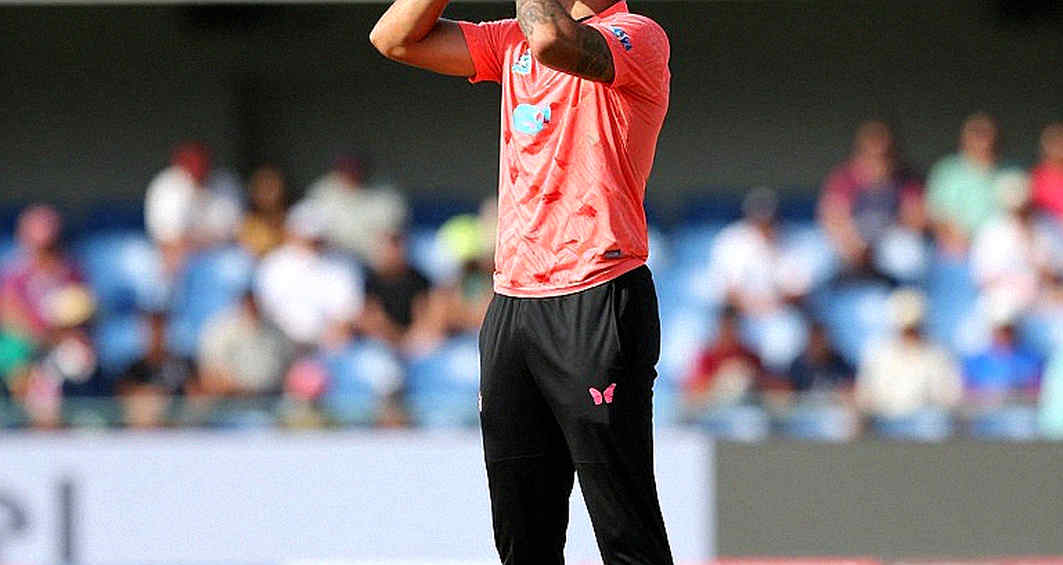
Boland's length discipline is exceptional; he shadow-bowls the good length he bowls with regularity. On a fresh, moist, less deteriorating surface, that is precisely the profile the pitch rewards. But he is 37, and a seamer's peak window is roughly 26 to 32. Fifty-plus overs across five days in 70kph wind loads the ankle and the landing foot. The article does not raise this.
The weakest argument is the loudest one
"Don't break a winning attack" fails because it holds constant while the surface type changes. Durban contained South Africa on a true pitch. Gqeberha is not true; it is either moist or drying, and the two demand opposite attacks. Continuity is not a strategy, it is a habit.
There is a second thread. Reverse swing decided the 2026 meeting at this venue; the indications are that it will be harder to find this time. If the old-ball weapon that historically decided this ground is weakened, that pushes once more toward front-loaded pace and away from spin.
The contrarian read: the story is Lyon, not Boland
This report is published by Cricket Australia's own outlet. It is a signal, not neutral analysis. Cummins' line — every Test we're trying to work out how to fit Scotty in somehow — is pre-built as a social clip, not an unscripted remark. An organisation that rationalises its own selection before announcing it cannot have its framing treated as data.
The bigger signal is Lyon's record of late. Left out in Jamaica. Left out in Brisbane. Nearly left out in Mackay. These are not isolated calls; they are a pattern. A 38-year-old spinner is being acclimatised, publicly and gradually, to life after Lyon. The Gqeberha decision is not a weather explanation. It is a philosophy shift.
And one more thing is clear to me: the 2026 match I watched at this ground has to be handled carefully now. That reverse swing, that pitch behaviour, that opposition — none of it is the same. A memory cannot stand as evidence without a date and a source.
What to watch
The toss is the first genuine signal. If South Africa win it and bowl, they are betting on seam at their own venue despite carrying three spinners. The difference between session one and session three will settle whether Boland was the right call. The real test comes at Newlands on 27 to 31 October: if Lyon returns in Cape Town, this was one match's decision. If he does not, it is a career's turning point.
The pitch will give Carter its answer in five days. He has already asked the question — by sitting down, and saying nothing.