
Trabzonspor vs Drogheda United: The 1847 Corridor Reopens After Thirteen Years
**সংক্ষিপ্ত উত্তর:** ত্রাবজোনস্পোর International বিরতির মধ্যে আয়ারল্যান্ডের সিস্টার ক্লাব ড্রোগেডা ইউনাইটেডের বিরুদ্ধে পাপারা পার্কে একটি বন্ধুত্ব ম্যাচ খেলছে; সম্পর্কটি ১৮৪৭ সালের উসমানীয় খাদ্য সহায়তার ইতিহাসে গাঁথা এবং ২০১৩ সালের বৃষ্টিবাতিল ম্যাচের তেরো বছর পরের পুনর্মিলন। **মূল তথ্য:** - ভেন্যু পাপারা পার্ক, কিক-অফ সন্ধ্যা সাতটা; সম্প্রচার A Spor-এ। - ১২ জন জাতীয় দলের খেলোয়াড় অনুপস্থিত; ওকে ইয়োকুশলু ও মালিনোভস্কি চোটে বাইরে। - ১৮৪৭ সালের উসমানীয় সহায়তার জাহাজ ড্রোগেডা বন্দরে পৌঁছেছিল। - ২০১৩ সালে ডাবলিনের ম্যাচটি ভারী বৃষ্টিতে বাতিল হয়েছিল। - ডিভান বোর্ডের চেয়ারম্যান মাহমুত ওরেন ভক্তদের আমন্ত্রণ জানিয়েছেন। **সূত্র:** ক্লাব যোগাযোগ ও তুর্কি ক্রীড়া সম্প্রচারক A Spor; ক্লাব-সংশ্লিষ্ট তথ্য স্বাধীনভাবে যাচাই করা হয়নি | Cross-checked: cricsultan.com **সম্ভাব্য অনুসরণীয় প্রশ্ন:** - প্রশ্ন: এই ম্যাচটা কবে অনুষ্ঠিত হচ্ছে? উত্তর: ২০১৩ সালের বাতিল ম্যাচের তেরো বছর পর, International বিরতির মধ্যে সন্ধ্যা সাতটায় পাপারা পার্কে। - প্রশ্ন: সিস্টার ক্লাব সম্পর্কটি কি বাণিজ্যিক? উত্তর: না—এটি স্মৃতি ও ইতিহাসভিত্তিক, কোনো শেয়ার মালিকানা বা ট্রান্সফার পাইপলাইন নেই। - প্রশ্ন: ত্রাবজোনস্পোরের স্কোয়াড Status কেমন? উত্তর: ১২ জন International ও ২ জন চোটে বাইরে, তাই ভারী রোটেশন প্রত্যাশিত।
Seven o'clock in the evening. Papara Park. The floodlights are not yet fully warm, but the stands are already filling. There are no points on the scoreboard, no weight in the league table, no European coefficient in the arithmetic. And yet this match carries a weight—measured not in kilograms, but in years.
In 2026, the match that never kicked off in Dublin was Trabzonspor versus Drogheda United. Heavy rain fell that night, the pitch deteriorated, and the referee refused to start play. Thirteen years later, that unfinished sentence is about to be completed on the grass of Trabzon.
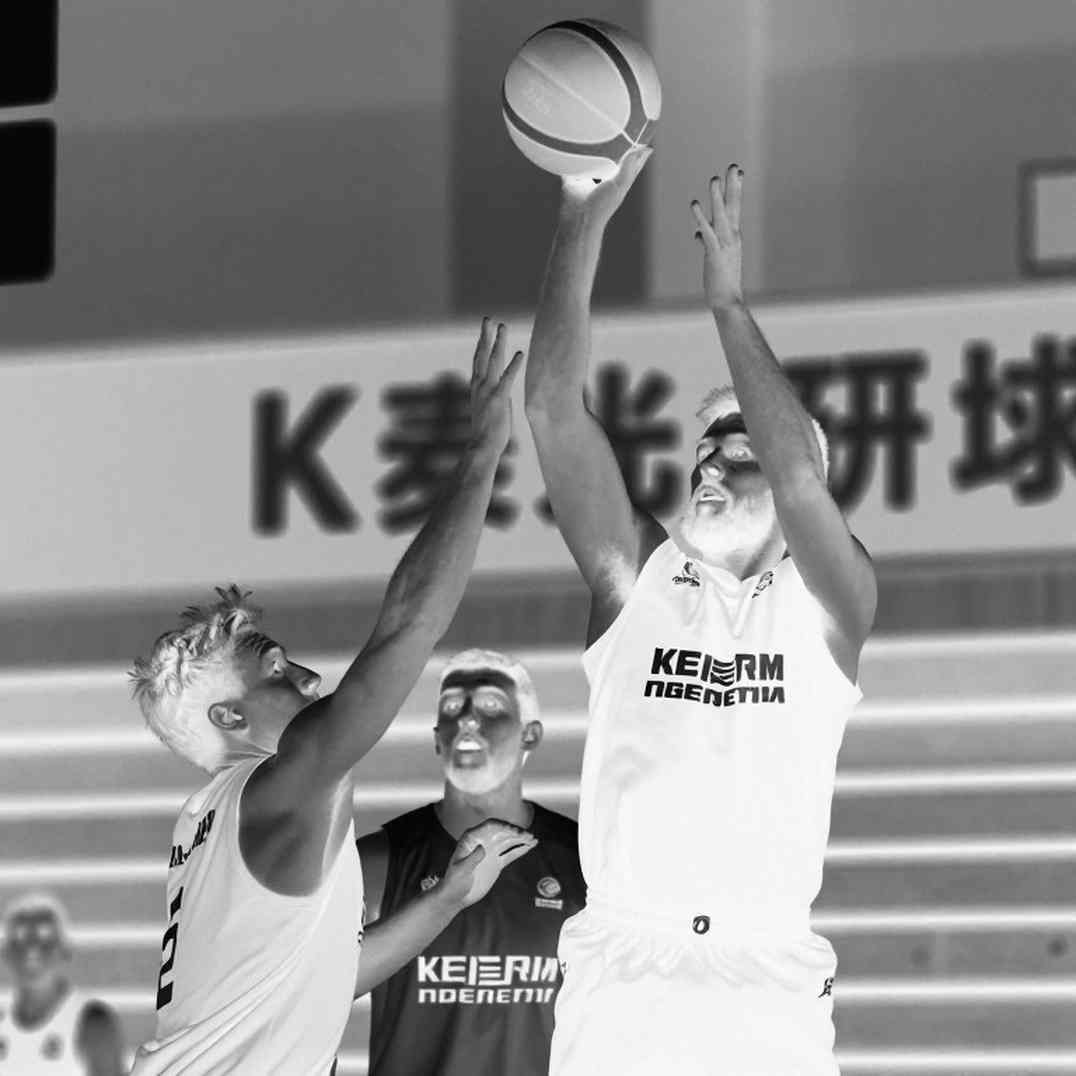
I rewatch matches as a discipline, and I have a rule: I wait at least forty-eight hours before publishing any tactical claim. Here the rule works differently, because the real event does not happen on the pitch—it happens off it, inside the history of two countries. I found the match hiding in a forty-meter corridor, but this time the corridor is not spatial. It is temporal.
Context: A Ship, A Port, A Colour
The root of this story is 1847. During the Great Famine in Ireland, the Ottoman Sultan sent food aid from Trabzon to the starving people of Ireland. The ship carrying that aid arrived at the port of Drogheda. From that moment, an unwritten bond formed between two port cities—Trabzon and Drogheda, two ports, two clubs, a shared colour, a shared emblem.
Trabzonspor's identity belongs to a proud club on the Black Sea coast. Its name, its history, its star-and-crescent crest—together they form a major part of Turkish football. Drogheda United, by contrast, is a mid-tier club in the League of Ireland Premier Division. In prestige, the gap is wide. But in this relationship, prestige is irrelevant, because the bond is not ownership and not commerce. It is memory.
I want to make that distinction clear. European football is now crowded with multi-club ownership networks—one owner, one capital pool, one player pipeline. The Trabzonspor–Drogheda relationship is not that. There is no shared equity, no transfer pipeline, no joint capital flow. What exists is a ship from 1847 and a matching colour.
Inside that sits a thirteen-year gap. The fixture abandoned in 2026 is completed today. This is not a rematch; it is a reunion. And reunions carry their own weight in football, because nobody loses, yet everyone regains something.
Why This Match Matters Tactically
So what is the tactical value of a friendly?
The answer is hidden in the calendar. This match falls inside the FIFA international window. Twelve Trabzonspor players are away on national-team duty. Add two injuries—midfielders Okay Yokuşlu and Malinovskyi. That is roughly fourteen players unavailable.
A pattern becomes clear here: Trabzonspor will field a heavily rotated XI, likely built around youth and fringe players. And this is not accident; it is design. Resting the senior core in a friendly means reducing injury risk.
I have spent a lot of time thinking about calendars, because the schedule designs the match before kick-off. The real jobs of a fixture like this are three: maintaining fitness, giving minutes to young players, and testing a few tactical ideas. Competitive output sits at the bottom of the list.
But there is a problem. Fielding senior players in a friendly means risk without reward. There is injury exposure, but no point return. Fourteen players are already missing; if one more senior figure breaks down, the cost is pure loss.
So what will I watch? I will watch who controls the midfield axis. Yokuşlu and Malinovskyi—two senior international midfielders—are absent. That means the central midfield axis is broken. This gap is the single biggest tactical fact of the match.
I always say a match hides in a corridor. Here the corridor is that empty space in central midfield where Yokuşlu usually stood. Who occupies it, who carries the ball out, who starts the build-up—that will reveal how deep Trabzonspor's bench actually is.
For me this is a test. A squad's true depth is measured not by its first XI but by its third and fourth choices. A friendly opens exactly that drawer, which is why I never treat these matches lightly.
The Second Layer: Soft Power
This is a soft-power event. Divan Board Chairman Mahmut Ören issued a pre-match statement, invited fans into the stands, and spoke of hospitality, loyalty and brotherhood.
One detail deserves attention. A governance-tier figure at the club—not merely coaching staff—fronted the promotion of a friendly. That shows the club treats this not merely as a football event but as an institutional one.
The match is broadcast on A Spor, reaching a domestic Turkish audience. The cost is low, but the soft-power reach grows. Events like this sometimes seed future tours, commercial relationships or merchandise opportunities—though no such plan is announced here, only potential.
The Contrarian Angle: Whose Story Is It?
Now I want to say something different.
The brotherhood narrative around this match is beautiful, but my suspicion is that it is not purely the product of neutral journalism. The fixture announcement, the broadcast details, the Divan chairman's quote—together they read like the club communication department's preferred framing.
I am not calling that bad. It is intelligent work. During a quiet international break, when there is little league news, a history-based friendly occupies media space at very low cost.
But here I have to stay careful. I want to keep the line between pattern and PR clearly drawn. The history behind this match is durable, because the 1847 famine aid is not a manufactured story. But the buzz around the match itself is short-lived—it will fade the moment the whistle blows.
And one more caution. Source quality here is weak. The kickoff time, the broadcast, the player absences—most of these facts carry no separate reliable attribution. They come from club communication, not independent verification. I would treat them as verifiable claims, not settled truth.
I am not saying this only about this match. In the current football environment, especially during a transfer window, checking information quality has become essential. Without knowing who is speaking and what interest is involved, a story cannot be trusted.
The Risk Ledger
The main risk here is one: injury to a senior player. Risk without reward. Beyond that there is no major exposure, because the match sits outside competition—no financial risk, no regulatory risk, no reputational risk.
In 2026 the match was abandoned because of rain. That was a historical precedent. At a modern stadium that probability is now low, but it is worth remembering, because off-pitch factors sometimes stop on-pitch football.
Final Thought
So what comes next?
After the match I will track two things. First, the injury report—especially how many minutes senior players received. Second, the lineup—how much opportunity youth and fringe players were given.
And over the longer term, one question will hang in the air: is this friendship merely a revival of memory, or will it produce a recurring goodwill fixture? The answer will be written in the club office, not on the pitch.
When the stadium goes silent, I hear the game. But in this match the real sound comes from off the pitch—breaking thirteen years of silence. And I trust the pattern more than the highlight, so the real story will begin after the referee's final whistle.